How to check your pet's vital signs at home
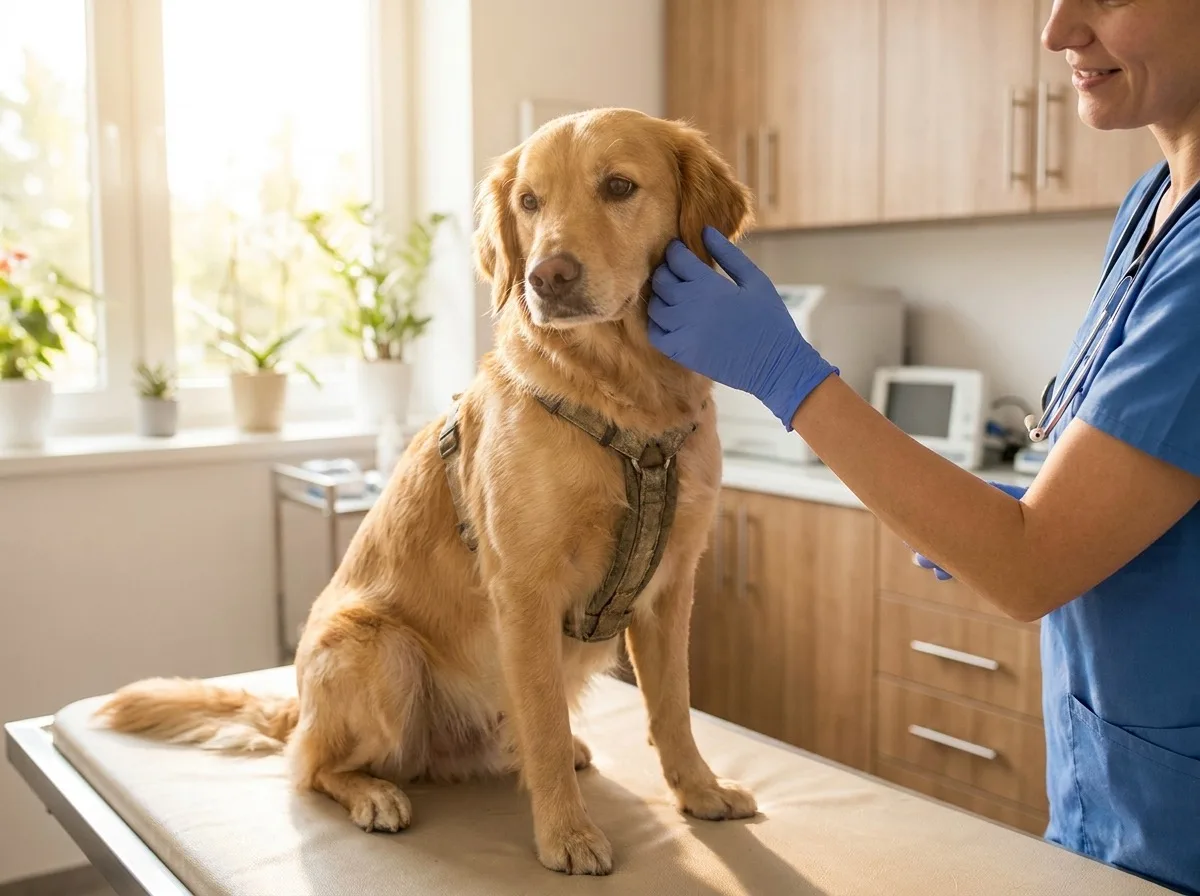
You can't tell something's wrong if you don't know what normal looks like. Checking your pet's vital signs takes about a minute once you know how, and it's the single most useful skill for deciding whether something is worth a vet call right now.
Heart rate
Feel for the pulse where the inside of the thigh meets the body, or place a hand flat against the left side of the chest just behind the front leg. Count beats for 15 seconds and multiply by 4. Normal resting heart rate runs roughly 60–140 beats per minute for dogs (smaller dogs run toward the faster end, larger dogs slower), and 160–220 for cats — noticeably faster than dogs, which surprises a lot of first-time cat owners.
Temperature
A digital thermometer inserted rectally is the accurate method for both species — a lubricated tip and a calm, gentle approach makes this manageable. Normal is about 100–102.5°F for both dogs and cats. Anything meaningfully outside that range, especially paired with lethargy or panting, is worth a call to your vet.
Capillary refill time and gum color
Lift your pet's lip so the gums are visible. Healthy gums are light pink. Press a finger gently against the gum, release, and count how many seconds it takes for the pink color to return — 1 to 2 seconds is normal. A longer refill time, or gums that look pale, white, blue, or brick-red, can indicate poor circulation, shock, or a breathing problem, and is worth treating as urgent rather than waiting to see if it resolves.
Our basic pet first aid guide covers what to actually do once you've spotted something off — choking, bleeding, seizures, and the kit worth having ready.
Get "Basic pet first aid"
Educational content only. This article is for general educational purposes and isn't a substitute for professional veterinary, behavioral, or medical advice — always consult a licensed professional about your own pet's specific needs. Frolicy's articles are researched from publicly available sources and written with AI assistance; they are not written or reviewed by a licensed veterinarian or behaviorist. Frolicy and its owners aren't liable for outcomes from following this content. See our Terms of Use for full details.