
Why does my dog follow me everywhere?
"Velcro dog" behavior is extremely common — here's when it's just personality and when it's worth a closer look.

How much exercise does my dog actually need?
The real answer depends on breed, age, and energy level — and getting it wrong in either direction causes problems.
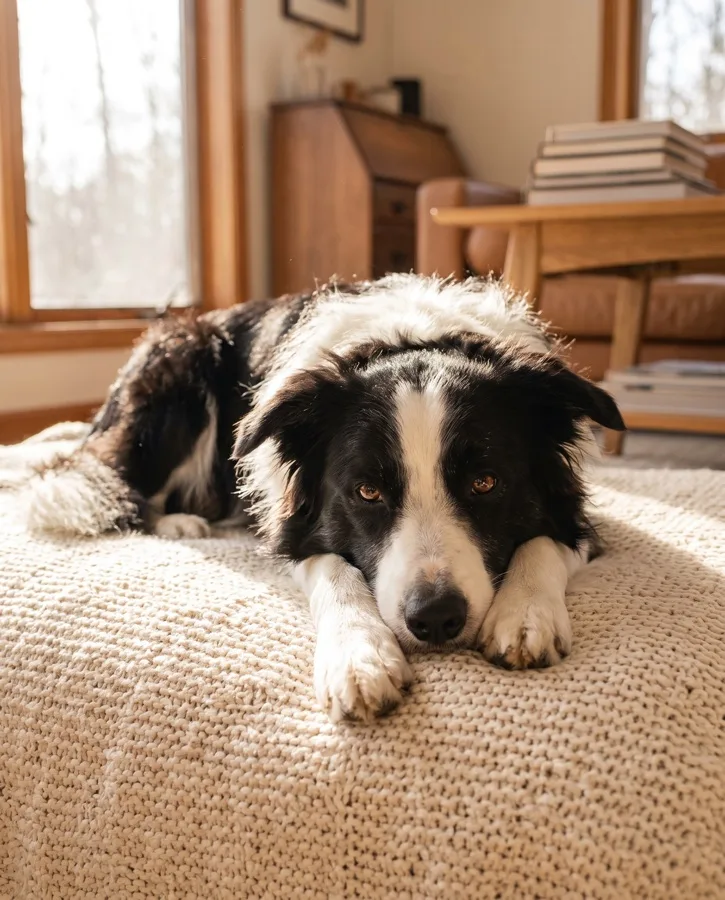
Why is my dog suddenly scared of things they used to be fine with?
Sudden fear responses usually have a real cause, from developmental fear periods to a hidden source of pain.

How to stop your dog from pulling on the leash
It's almost always a training gap, not a dominance issue — here's the stop-and-wait method that actually works.

Signs your dog is stressed (and what to do about it)
Dogs communicate stress well before barking or growling — most owners just haven't been taught to read it.

Why does my cat knead blankets (and me)?
That rhythmic paws-on-a-blanket motion traces back to kittenhood, and it's almost always a good sign.

How to introduce a new cat to your resident pet
A rushed introduction is the most common reason it goes badly — here's how to slow it down the right way.

Why is my cat avoiding the litter box?
It's rarely about spite — here's how to tell a medical cause from a simple preference issue.

How to tell if your pet is in pain
Pets are remarkably good at hiding pain — the signs are often subtler than you'd expect.

Pet-proofing your home: a room-by-room guide
The room-specific hazards that actually cause the most emergency vet visits, and how to prevent them.

How to socialize a puppy safely before full vaccination
The disease risk from a few careful outings is small — the behavioral risk from full isolation during the socialization window isn't.

Human foods that are toxic to dogs and cats
Some everyday kitchen staples are genuinely dangerous — here's the real list, not just the well-known ones.

How to actually read a pet food label
"Premium" and "natural" aren't regulated terms — here's the one line on the bag that actually matters.

Signs of aging in dogs and cats — and when to adjust care
Gradual changes are normal aging. Sudden ones deserve a vet visit, regardless of how old your pet is.

Why does my cat over-groom (or stop grooming)?
Both directions are worth paying attention to — one often points to stress, the other to pain.

How often should I actually bathe my dog?
Most owners bathe more than needed — over-bathing strips natural oils and causes the exact irritation it's meant to prevent.

Best indoor activities for a bored dog
A bored dog's energy goes somewhere — these activities give it somewhere good to go on a rainy day.

Introducing your pet to a new baby (or new partner)
Preparation before the change arrives matters more than the introduction moment itself.

Your pet's first vet visit: what to expect
What actually happens, what to bring, and how to make it a calm experience instead of a stressful one.

Heatstroke and hot car safety: what every owner needs to know
A parked car's interior climbs dangerously fast — even on a mild day, even with the window cracked.
How to check your pet's vital signs at home
Heart rate, temperature, and gum color — the one-minute check that tells you if something's actually wrong.

Signs your rabbit is in pain
Rabbits hide pain by instinct — the facial and behavior signs that actually give it away.

Common guinea pig health problems and what to watch for
Five issues the PDSA sees most often — and the one that genuinely can't wait for a vet visit.

Natural ways to calm an anxious dog or cat
Pheromone diffusers, calming supplements, anxiety wraps — what the evidence actually supports, and what to expect realistically.

Why does my cat hide? Understanding feline stress behavior
Hiding is one of the easiest stress signals to miss — here's why cats do it, and when it's a sign of something more.
Multi-pet household stress: when more pets means more tension
Resource guarding, subtle intercat tension, and the signs a multi-pet home needs a change — before it becomes a real conflict.
Is it behavior or a medical problem? How to tell the difference
New anxiety, aggression, or house-training slip-ups aren't always behavioral — several medical conditions produce the same symptoms.

How to perform CPR on a dog or cat
Step-by-step, for the specific moment a pet isn't breathing and has no pulse — hand placement, compression rate, and the 30:2 rhythm.

What to expect at an emergency vet visit
Triage, cost, and the actual process — so the visit itself isn't the first time you're learning how any of this works.

Exercise and physical therapy for pets with joint pain
The right kind of movement helps arthritic joints more than rest does — what actually has evidence behind it, and what's still unproven.

Joint pain treatment options: what vets actually offer
NSAIDs, the newer monoclonal antibody injections, and why cats need a genuinely different approach than dogs — plus an honest look at an active safety concern worth knowing before that conversation.

Tooth resorption and stomatitis: the cat dental problems often missed
Two conditions that go well beyond ordinary periodontal disease — one that's often silent until advanced, and one that's genuinely unique to cats.
How to actually brush your dog or cat's teeth
The step-by-step desensitization method vets recommend — for the pet who's never had their teeth touched before.
Hot spots: what causes them, and what to do in the first 24 hours
Why some dogs get them again and again, the specific breed and coat factors involved, and the real timeline for when home monitoring stops being reasonable.
After a dental extraction: recovery, warning signs, and what happens next
What the first few days actually look like, the signs that mean a call to the vet, and the ongoing monitoring that continues well past the point the mouth looks healed.
Managing chronic environmental allergies: the long-term options that actually help
Unlike flea or food allergy, environmental allergy doesn't resolve to a one-time fix. What ongoing management actually looks like, in plain terms.
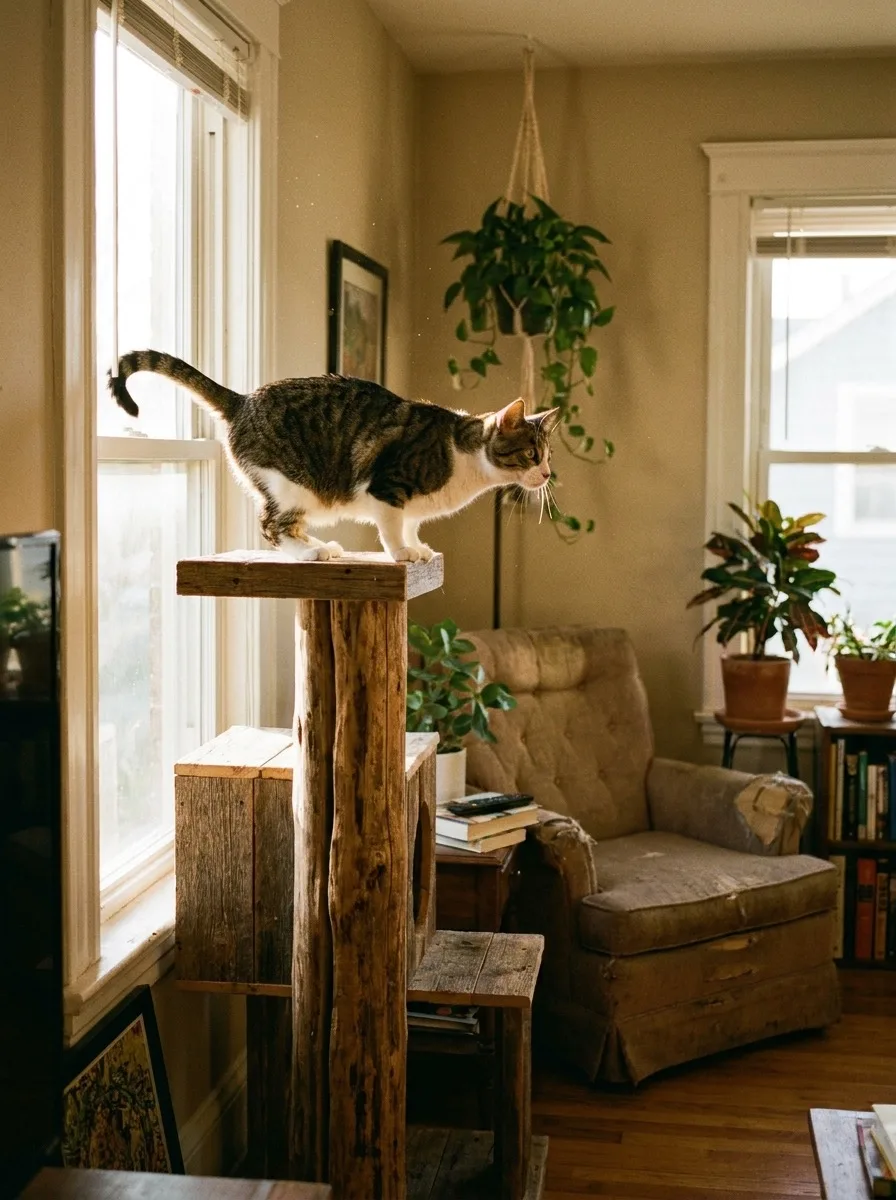
Spay/neuter timing: what kitten owners should know
There's no single right age — the traditional recommendation, the newer pediatric approach, and the real evidence on why timing matters more than most owners realize.
The 12-18 month transition: why your kitten seems different as they grow up
Less cuddly, more independent, occasionally distant — it's tempting to read that as your cat loving you less. What's actually happening is a real developmental transition, not a loss.

Long-term weight maintenance: how to help your pet keep the progress
Reaching a healthy weight is a real milestone. Maintaining it is an ongoing process, not a one-time fix — here's why calorie needs change, and how to keep the progress going.
Toolkit, guide, or e-book: what does your dog's anxiety actually need right now?
Four real Frolicy resources for anxious dogs — a toolkit, two free guides, and one e-book. Here's which one actually fits what you're dealing with right now.