Natural ways to calm an anxious dog or cat

Search "calm my anxious dog" or "calm my anxious cat" and you'll find dozens of products claiming to fix it. The honest picture is more modest: a few categories have real, if often moderate, evidence behind them, and none of them are a substitute for addressing the underlying cause. Here's what's actually worth trying, and what to expect realistically from each.
Pheromone diffusers
Synthetic pheromone products (marketed as Feliway for cats, Adaptil for dogs) mimic natural calming pheromones and are widely used for stress, territorial issues, and multi-pet tension. Evidence is genuinely mixed by use case: peer-reviewed studies show moderate support for reducing thunderstorm-related fear responses in dogs and encouraging results for reducing tension between cats in multi-cat homes, but weaker evidence for general non-specific stress. They're non-invasive with no known side effects, which makes them a reasonable low-risk first step — just don't expect a dramatic before-and-after.
Calming supplements (L-theanine, tryptophan, and others)
L-theanine has some real research behind it — a few small studies found it reduced stress-related behaviors in cats over several weeks and helped with noise phobia in dogs when paired with behavioral training (not used alone). L-tryptophan's evidence is weaker and more mixed — some studies found lower owner-reported anxiety with no measurable change in stress hormones. The honest caveat for this whole category: the FDA does not review supplements for safety or effectiveness before sale the way it reviews medications, and a lot of the existing research is funded by the companies selling the product. Talk to your vet before starting one, especially alongside any existing medication.
Anxiety wraps and physical calming tools
Pressure-based wraps (worn snugly around the torso) are a common recommendation for noise phobia and travel anxiety. They're low-risk and some pets do visibly settle in one, but response is individual — a wrap that works well for one dog may do nothing for another, and there isn't strong controlled-study evidence either way. It's worth trying precisely because the downside risk is low, not because it's guaranteed to help.
Where natural aids fit — and where they don't
None of the above address why a pet is anxious in the first place. They're best used alongside — not instead of — identifying and working on the actual trigger (see our guide on managing fear and anxiety). If anxiety is severe, worsening, or involves self-injury, that's a conversation for a veterinarian, not a product aisle — in some cases prescription medication is genuinely the right tool, used alongside behavioral work rather than as a replacement for it.
Our managing fear and anxiety guide covers the behavioral side these tools support, not replace.
Get "Managing fear and anxiety"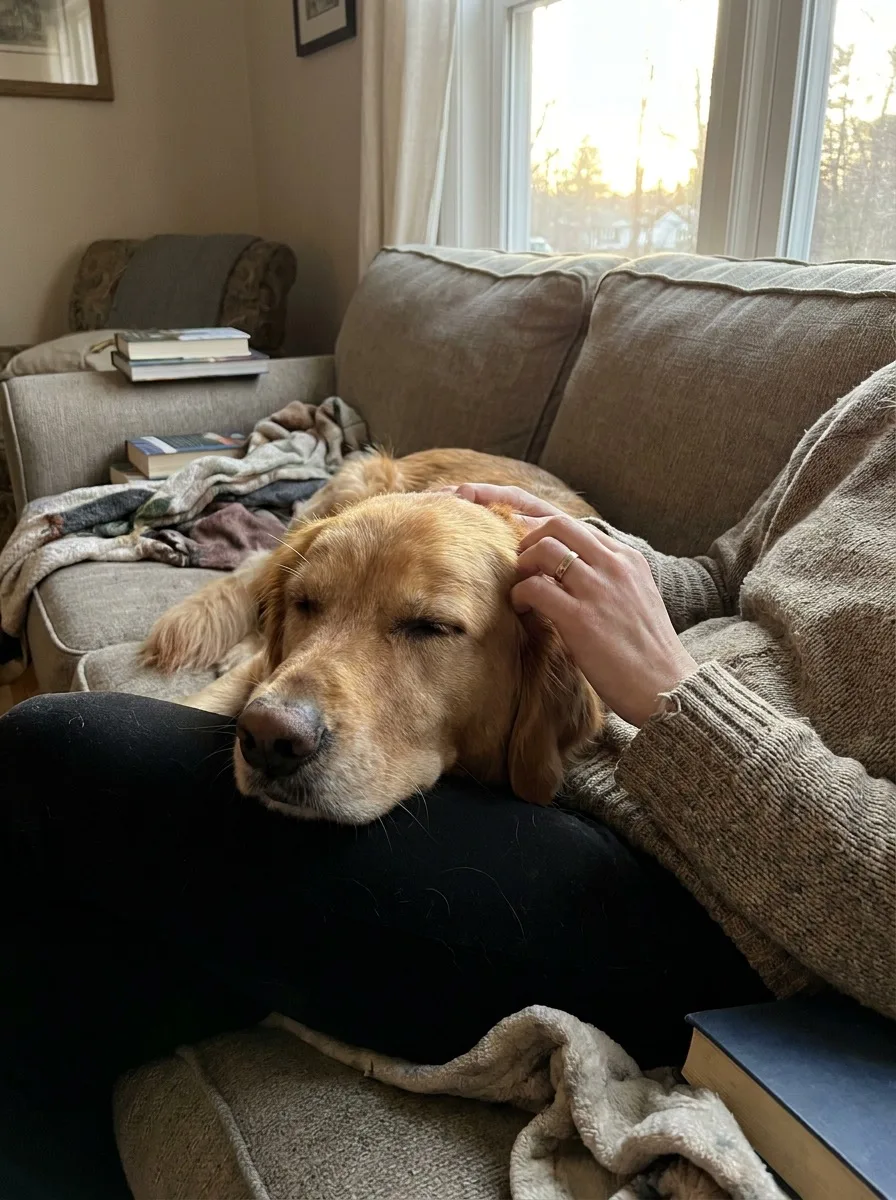
Educational content only. This article is for general educational purposes and isn't a substitute for professional veterinary, behavioral, or medical advice — always consult a licensed professional about your own pet's specific needs. Frolicy's articles are researched from publicly available sources and written with AI assistance; they are not written or reviewed by a licensed veterinarian or behaviorist. Frolicy and its owners aren't liable for outcomes from following this content. See our Terms of Use for full details.