Signs your dog is stressed (and what to do about it)
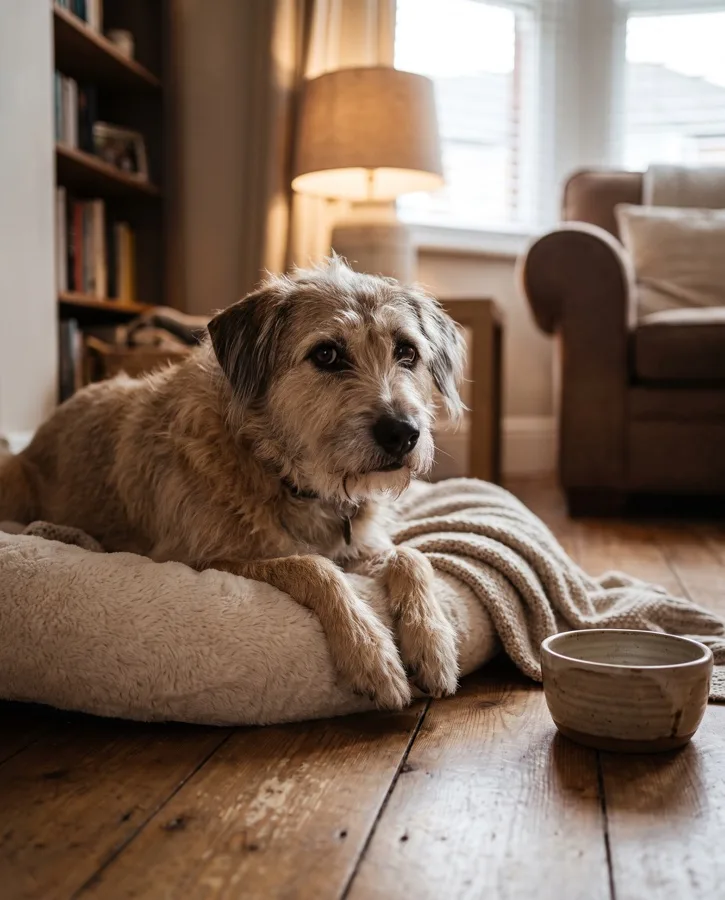
Dogs communicate stress constantly, usually well before barking or growling — most owners just haven't been taught to read the earlier signals. Catching them early makes a real difference.
The subtle signs
Lip licking outside of mealtimes, yawning when not tired, a lowered tail, "whale eye" (the whites of the eyes showing), pinned-back ears, and sudden stillness are all early stress signals. Individually they can mean many things, but in context — especially a cluster of two or three at once — they're a clear signal to reduce pressure.
The more obvious signs
Panting unrelated to heat or exercise, pacing, excessive drooling, destructive behavior, and vocalizing are later-stage stress responses — by this point, the dog has likely been trying to communicate discomfort for a while through subtler signals that went unanswered.
What to do when you spot it
Give your dog space and remove them from the stressful situation if possible, rather than pushing through it. Avoid punishing stress-related behaviors like growling — it's information, and suppressing it doesn't remove the underlying stress, it just removes the warning before a bigger reaction.
Our calm-down toolkit builds on this with five exercises for the moment stress shows up.
Get "Calm-down toolkit"
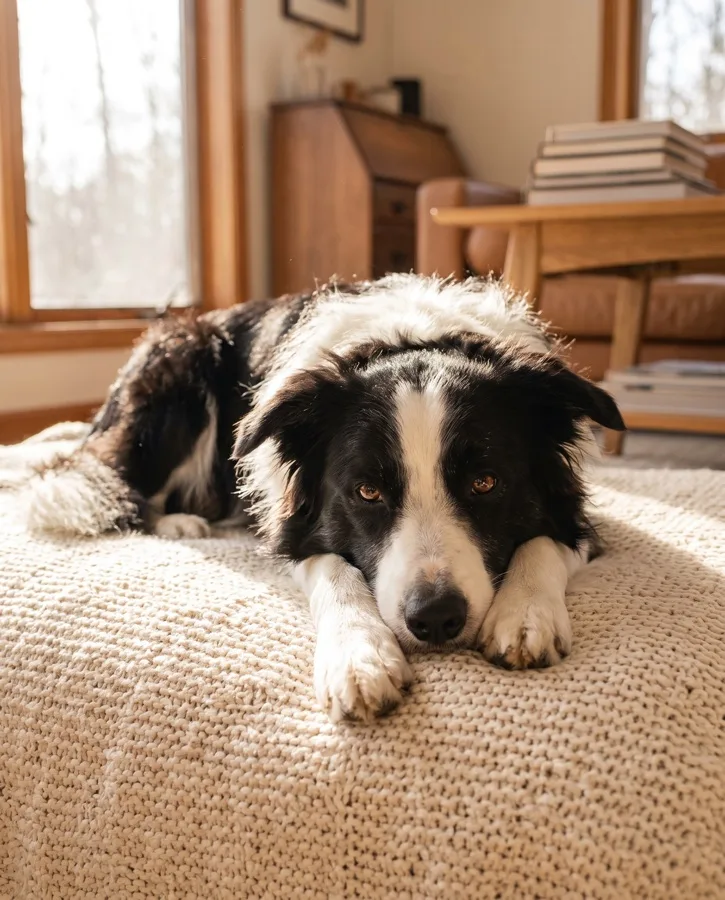
Educational content only. This article is for general educational purposes and isn't a substitute for professional veterinary, behavioral, or medical advice — always consult a licensed professional about your own pet's specific needs. Frolicy's articles are researched from publicly available sources and written with AI assistance; they are not written or reviewed by a licensed veterinarian or behaviorist. Frolicy and its owners aren't liable for outcomes from following this content. See our Terms of Use for full details.