Exercise and physical therapy for pets with joint pain
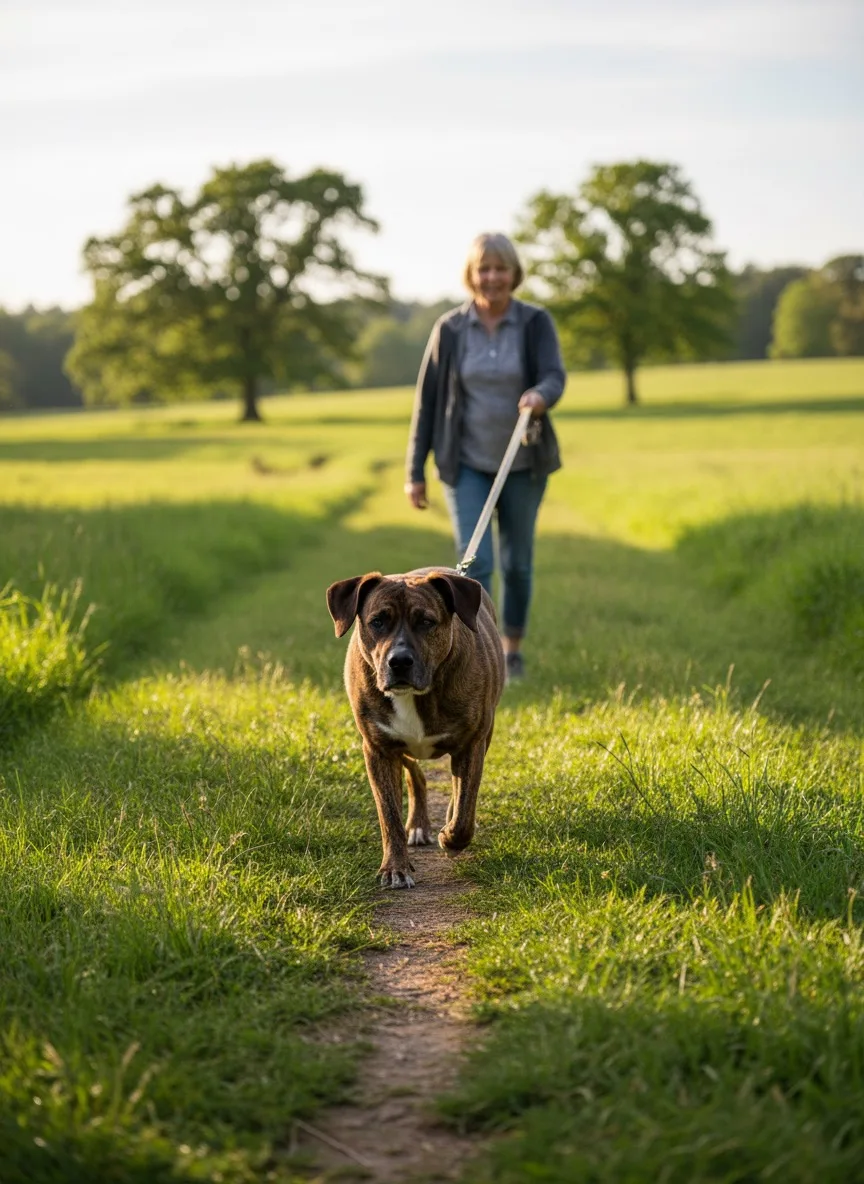
The instinct with a stiff or sore joint is often to rest it completely — but for osteoarthritis specifically, the right kind and amount of movement helps more than rest does. Veterinary rehabilitation research frames this as a step-by-step approach, starting with the simplest, cheapest changes before moving to anything more involved.
Start with the environment, not the exercise
Before changing how a pet moves, veterinary rehabilitation guidance recommends starting with environmental changes: non-slip flooring, ramps instead of stairs, and — for cats specifically — moving food bowls and litter boxes to locations that don't require jumping or climbing. This is the foundation everything else builds on, and it's also covered in our mobility and joint health basics guide.
Regular, controlled, low-impact movement
Once the environment is set up, the next step is a consistent, low-impact activity routine rather than sporadic high-intensity bursts. For dogs, this means steady, controlled walks — shorter and more frequent tends to work better than one long walk — over varied, gentle terrain rather than always the same flat surface. For cats, structured exercise is harder to impose directly; veterinary guidance instead points to encouraging natural movement through play (a wand toy session rather than a single leap-inducing toy) and controlled moderate activity built into daily routine, not forced cardio.
Home exercises with some evidence behind them
Sit-to-stand repetitions and walking on varied, gently uneven terrain are commonly recommended strengthening exercises with a reasonable evidence base. Passive range-of-motion exercises (an owner gently moving a joint through its range) and balance/proprioception exercises are widely used, though a 2023 review of the veterinary literature noted their clinical effectiveness in dogs specifically hasn't been well studied yet — worth trying under a vet or canine rehab professional's guidance rather than improvising alone.
Hydrotherapy: popular, but the evidence is genuinely thinner than the popularity suggests
Swimming and underwater treadmill work are widely recommended and often assumed to be strongly evidence-backed — the honest picture is more modest. One study found a single 20-minute swim session measurably improved elbow range of motion in dogs with elbow osteoarthritis, but a 2023 review of the veterinary literature concluded there isn't yet enough research to say hydrotherapy's long-term benefits are established, or that it clearly outperforms other approaches. It's a reasonable option to discuss with a vet, not a proven superior treatment to insist on.
When a veterinary physical therapist is worth it
Veterinary rehabilitation frameworks treat professional physical therapy as the top tier — appropriate once simpler steps (environment, general activity, basic home exercises) are already in place, or for pets recovering from joint surgery specifically. A vet or board-certified rehabilitation specialist can build a program suited to a specific joint and pet, rather than a generic plan applied to every case. If exercise and home changes aren't enough on their own, our joint pain treatment options article covers what a vet is likely to discuss next.
Our mobility and joint health basics guide covers the signs, causes, and broader management picture this fits into.
Get "Mobility and joint health basics"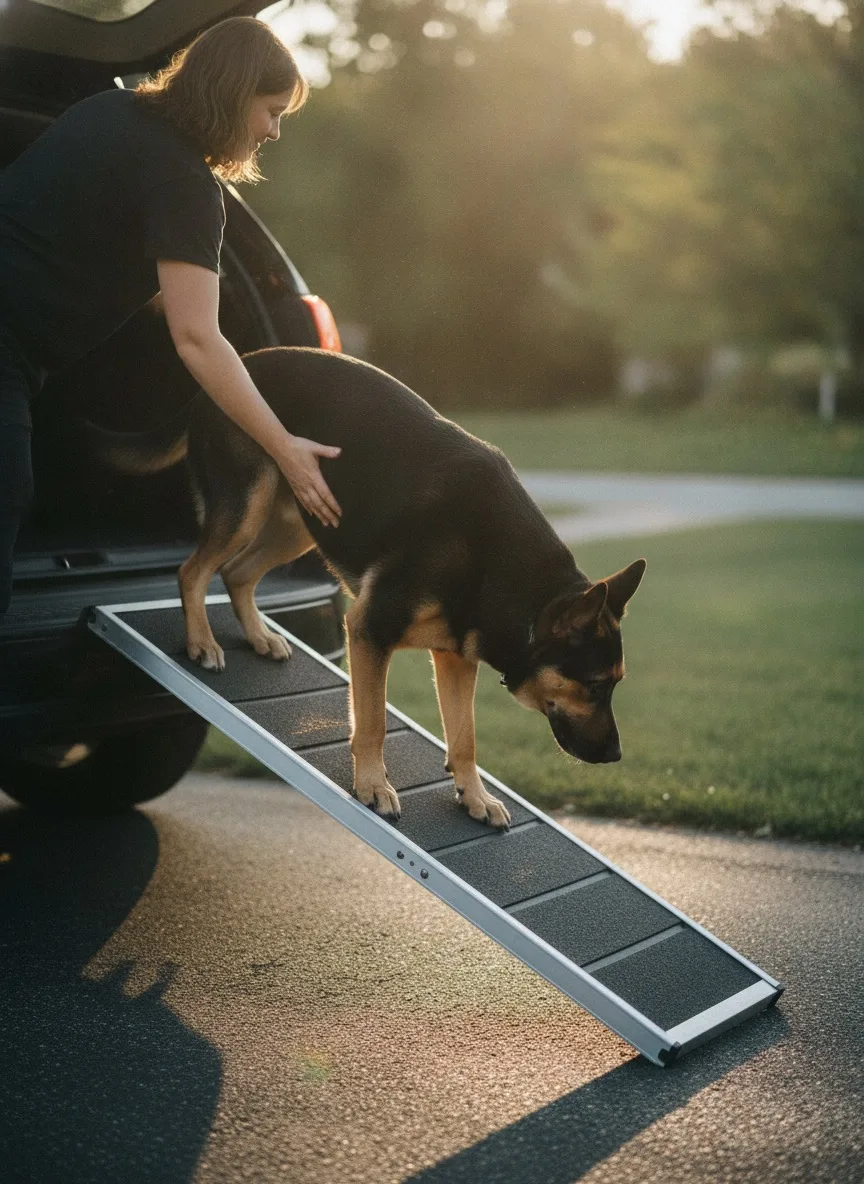
Educational content only. This article is for general educational purposes and isn't a substitute for professional veterinary, behavioral, or medical advice — always consult a licensed professional about your own pet's specific needs. Frolicy's articles are researched from publicly available sources and written with AI assistance; they are not written or reviewed by a licensed veterinarian or behaviorist. Frolicy and its owners aren't liable for outcomes from following this content. See our Terms of Use for full details.