
Topic hub
Senior Pets
What actually changes as pets age, what's worth a vet visit, and how to adjust care as they get older.
3 free guides
3 articles
What actually changes as pets age, what's worth a vet visit, and how to adjust care as they get older.
There's no single day a pet becomes "senior" — it's a gradual shift, which is exactly why real problems are easy to miss behind normal aging. This hub gathers everything Frolicy has on senior dog and cat care.
The most common mistake in senior pet care is writing off a genuinely treatable problem as "just getting old." Many conditions common in aging pets — arthritis, kidney disease, hyperthyroidism, cognitive decline — respond well to treatment when caught early, and the signs are often subtle, especially in cats, who are particularly good at masking discomfort. Joint pain specifically is common enough — and missed often enough — that it gets its own dedicated guide: Mobility and Joint Health Basics. Start with our Mobility & Joint Health Learning Path if you want the full sequence in order — recognizing signs, home care, exercise, treatment options, and a printable tracker for the long term — rather than just a single piece of it.
A beginner roadmap through this topic, in order
Slower to rise, more sleep, some gray around the muzzle — gradual changes over months and years, not sudden ones.
New limping, confusion, house-training or litter-box accidents, or a change in thirst or appetite are worth a vet visit regardless of age.
Many vets recommend twice-yearly checkups once a pet enters their senior years, often including bloodwork to catch issues before symptoms appear.
The Mobility & Joint Health Learning Path covers recognizing it, home care, exercise, treatment options, and a printable tracker, in order.
Arthritis is a marathon, not a single vet visit. Follow along in order. 4 steps, in order, with progress you can track as you go.
Free, downloadable, judgment-free
Free PDF
What actually changes as your dog ages, what's worth a vet visit, and how to adjust care and the home.
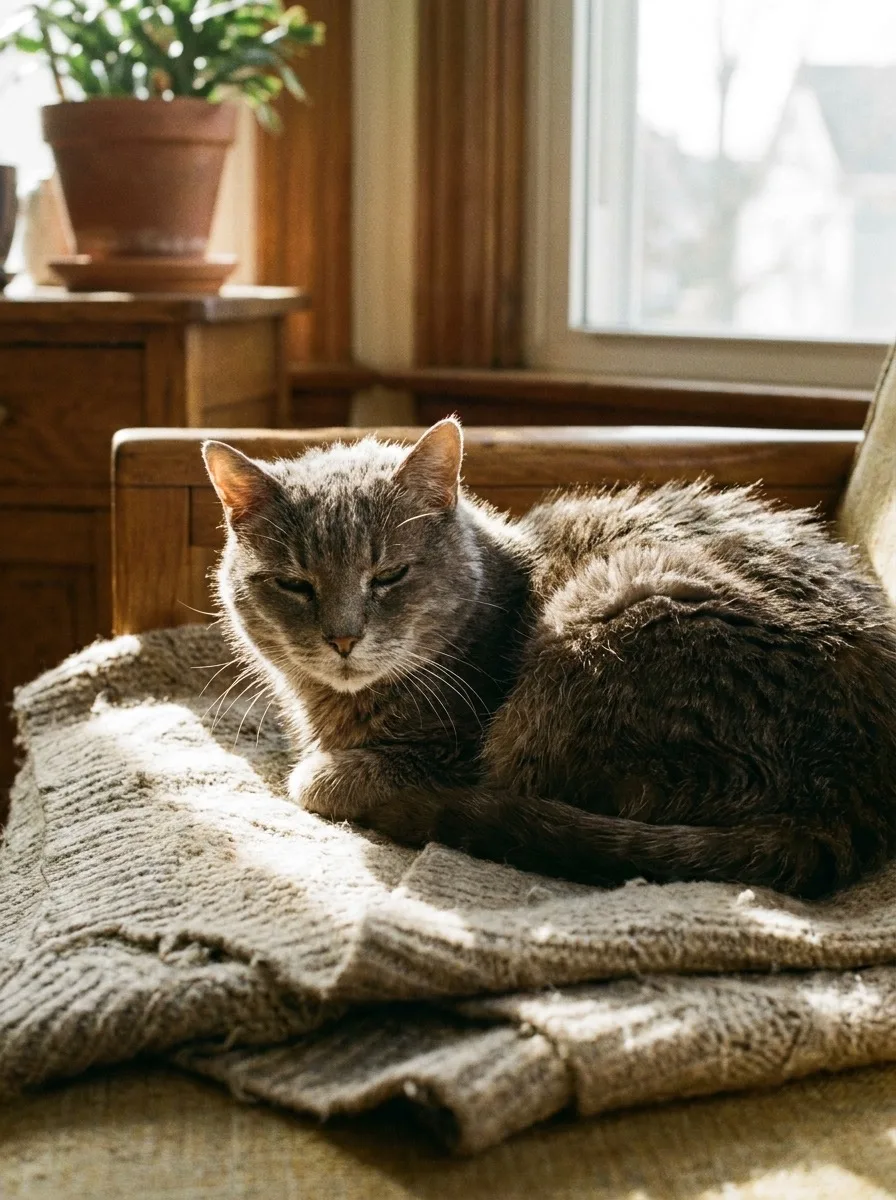 Free PDF
Reading the subtle signs cats are good at hiding, and adjusting care as they age.
 Free PDF
Osteoarthritis affects most senior pets, but the early signs — especially in cats — are easy to write off as 'just getting older.'
Real answers to real questions
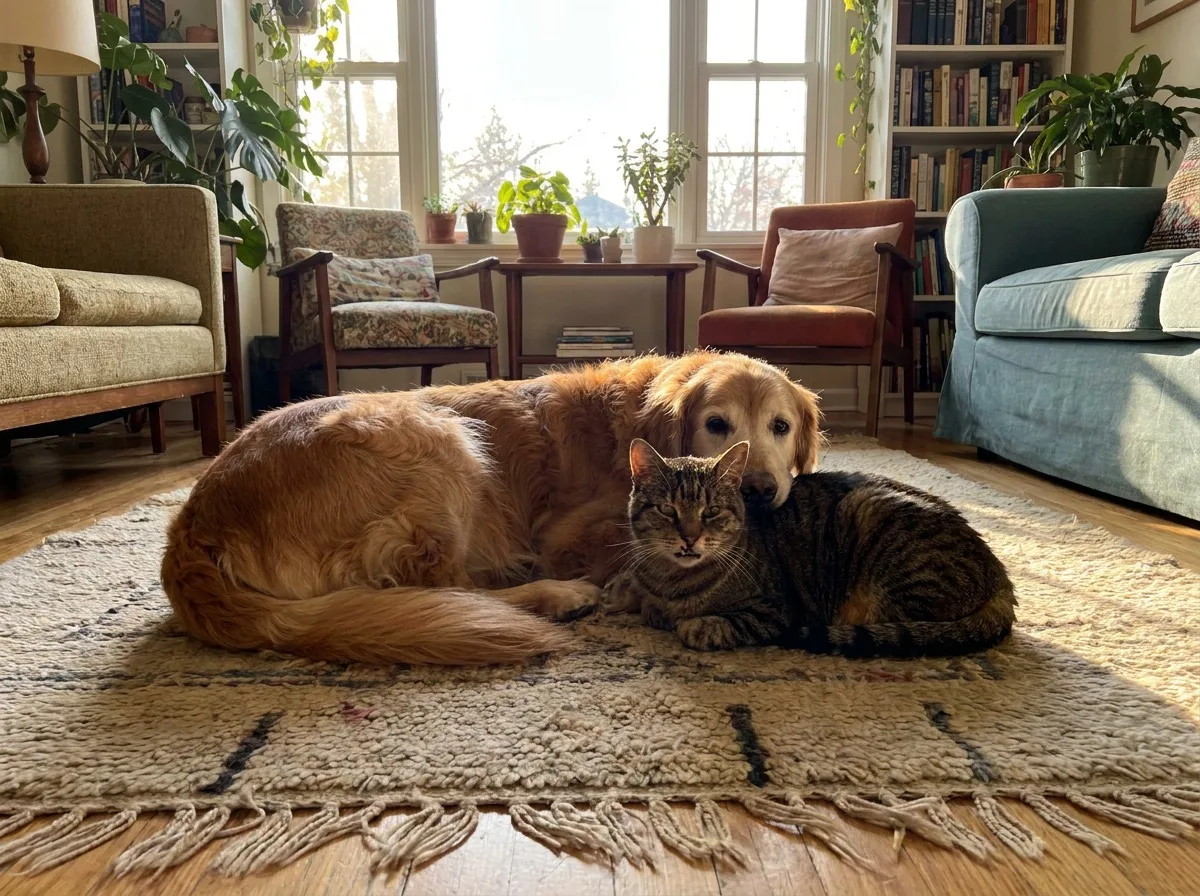
Gradual changes are normal aging. Sudden ones deserve a vet visit, regardless of how old your pet is.
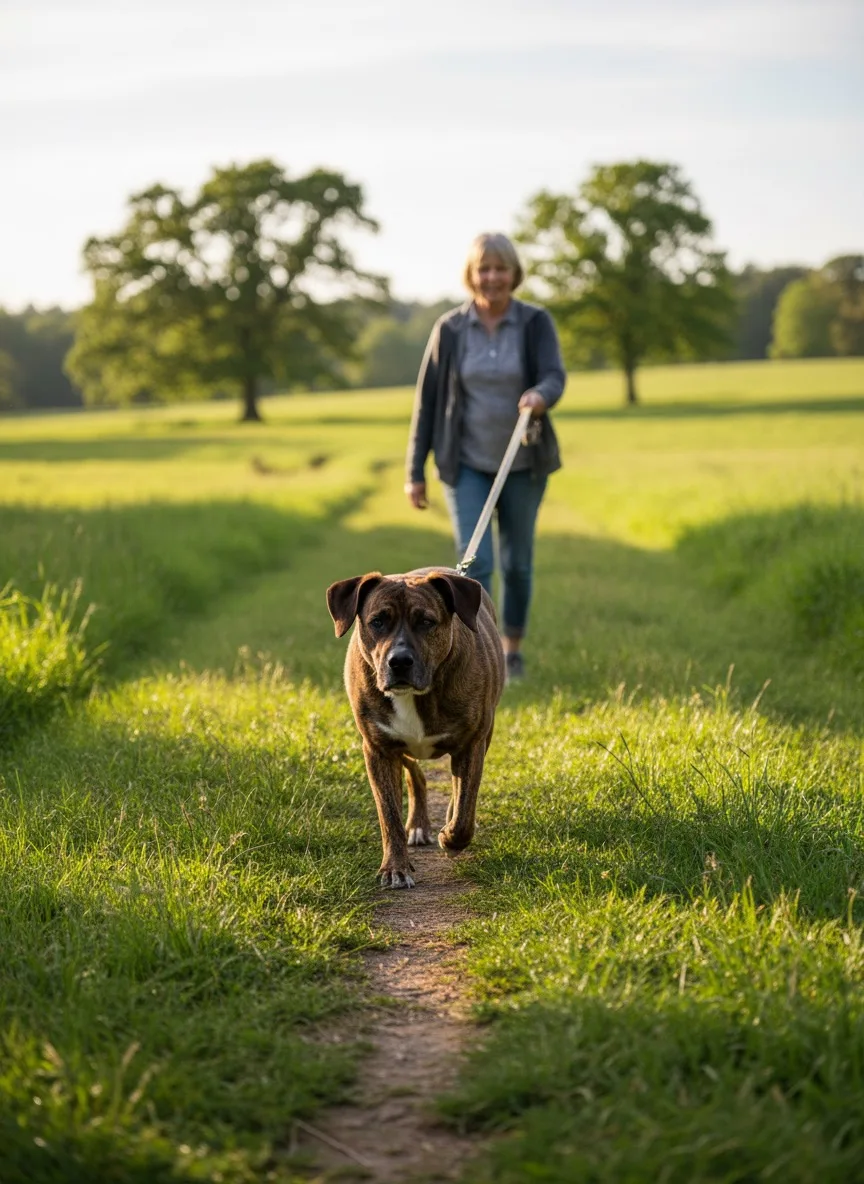
The right kind of movement helps arthritic joints more than rest does — what actually has evidence behind it, and what's still unproven.
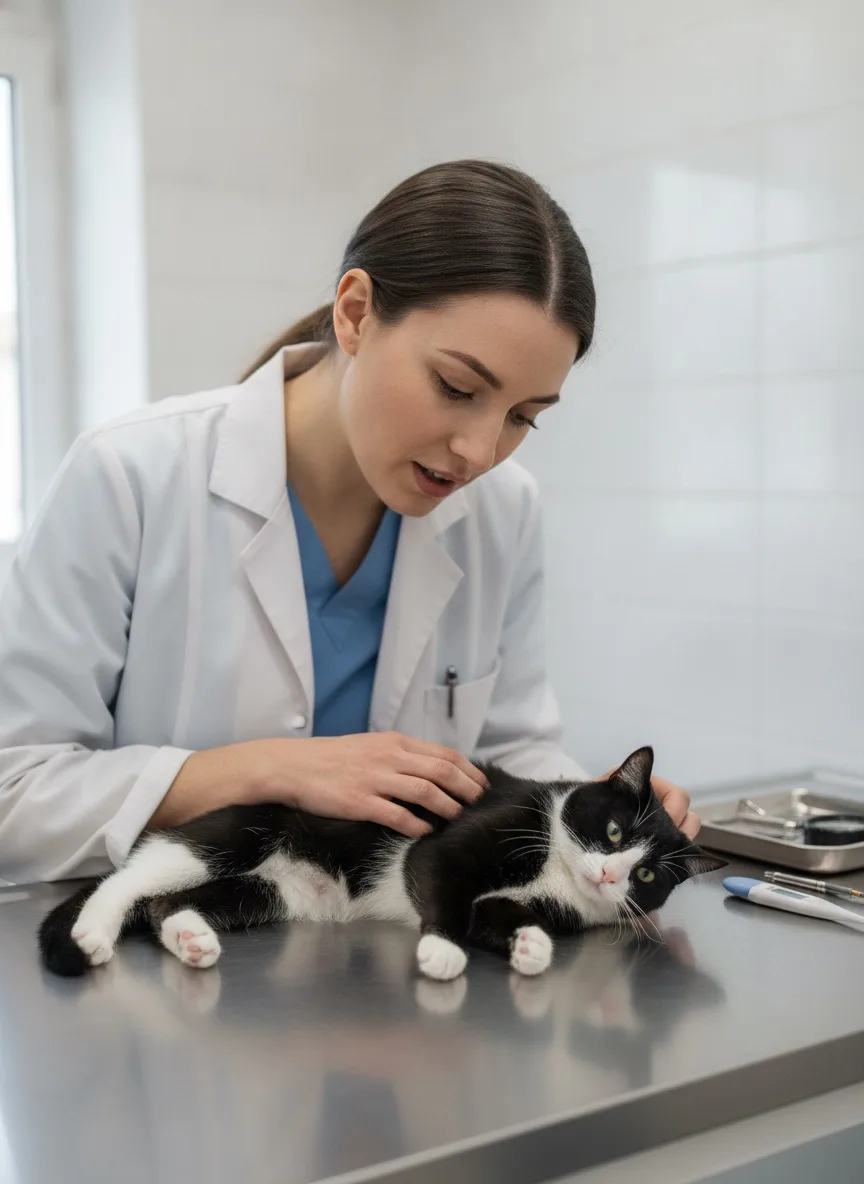
NSAIDs, the newer monoclonal antibody injections, and why cats need a genuinely different approach than dogs — plus an honest look at an active safety concern worth knowing before that conversation.
A general timeline for what's typically due next, by age and species.
Only shown where a real product fit exists — nothing forced.
Cold weather makes joint stiffness worse for senior pets — see the Seasonal Care hub for the home-adjustment checklist that pairs with this one.
Where pet parents in this topic often go next
It varies by size and species — large-breed dogs are often considered senior around 6-7 years, small dogs and cats more often around 10-11.
Cats rarely limp obviously even with significant joint pain — instead they hesitate before jumps they used to make easily, or reduce grooming, which is easy to miss if you're only watching for limping.
Twice yearly is commonly recommended, versus once a year for younger adults, since conditions can progress faster at this life stage.
Educational content only. This page is for general educational purposes and isn't a substitute for professional veterinary, behavioral, or medical advice — always consult a licensed professional about your own pet's specific needs. Frolicy's content is researched from publicly available sources and written with AI assistance; it is not written or reviewed by a licensed veterinarian or behaviorist. Frolicy and its owners aren't liable for outcomes from following this content. See our Terms of Use for full details.