How much exercise does my dog actually need?
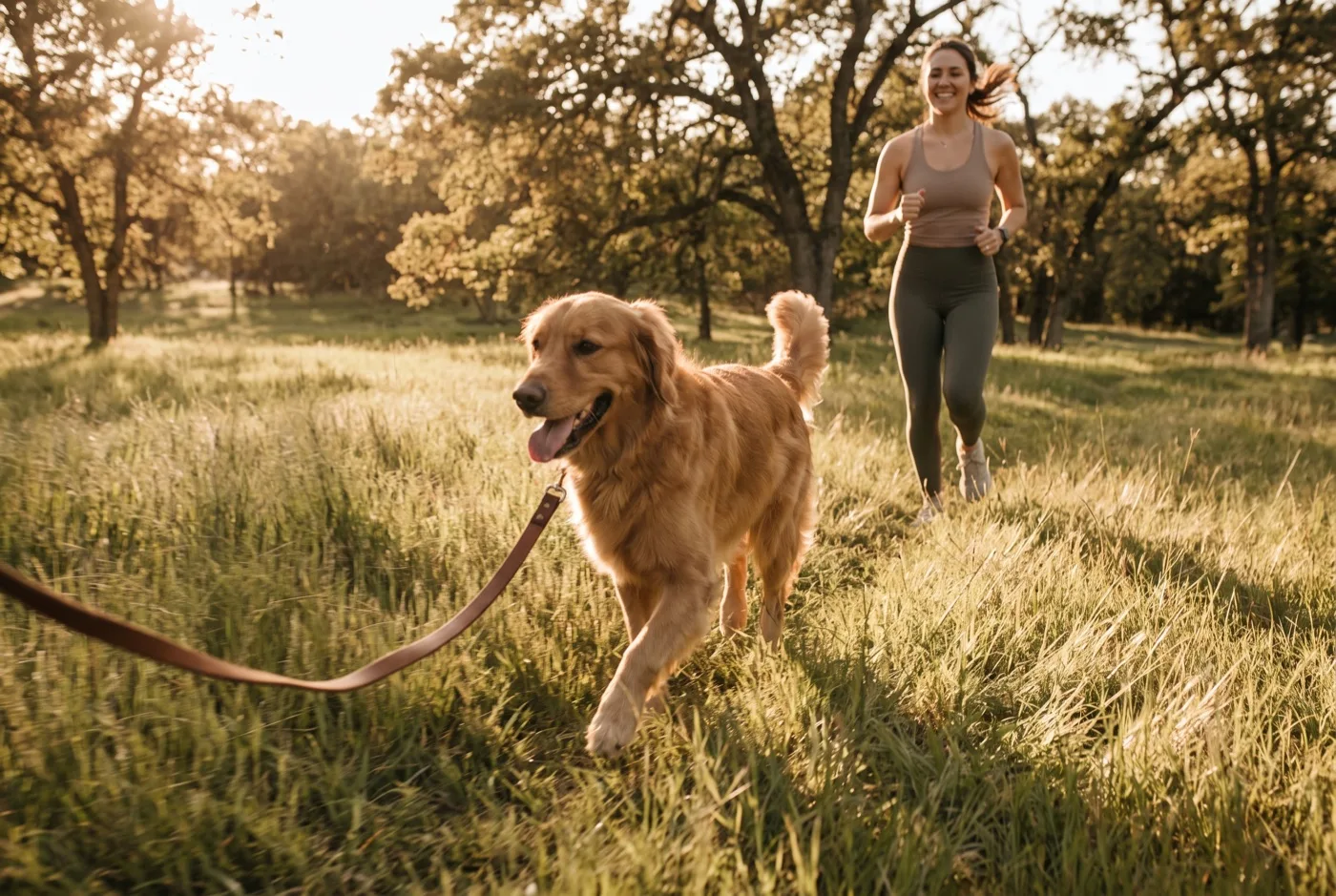
"A tired dog is a good dog" gets repeated so often it's become a cliché — but the actual answer to how much exercise your dog needs depends heavily on breed, age, and individual energy level, and getting it wrong in either direction causes real problems.
There's no single right number
A general starting point for adult dogs is 30 minutes to 2 hours of activity a day, but that range is enormous on purpose. A senior pug and a young working-line border collie have almost nothing in common in terms of needs. Breed history matters more than size — a small terrier bred for hunting can need considerably more activity than a much larger, lower-drive breed.
Signs you're under-exercising
Destructive chewing, excessive barking, restlessness in the evening, and difficulty settling are frequently exercise or enrichment problems in disguise. Before assuming a behavior issue needs training, it's worth ruling out that the dog simply has unspent energy with nowhere productive to go.
Signs you're over-exercising
More isn't always better, especially for puppies (whose joints are still developing) and brachycephalic breeds prone to overheating. Watch for excessive panting well after activity ends, reluctance to continue on a walk, or stiffness the following day — all signs to scale back rather than push through.
Mental exercise counts too
A 20-minute training session or a food puzzle can be as tiring as a much longer walk, particularly for working breeds. If daily walks alone aren't settling your dog, adding mental enrichment is often more effective than simply adding more physical distance.
For simple ways to add mental exercise without adding hours to your day, see our mental enrichment ideas guide.
Get "Mental enrichment ideas"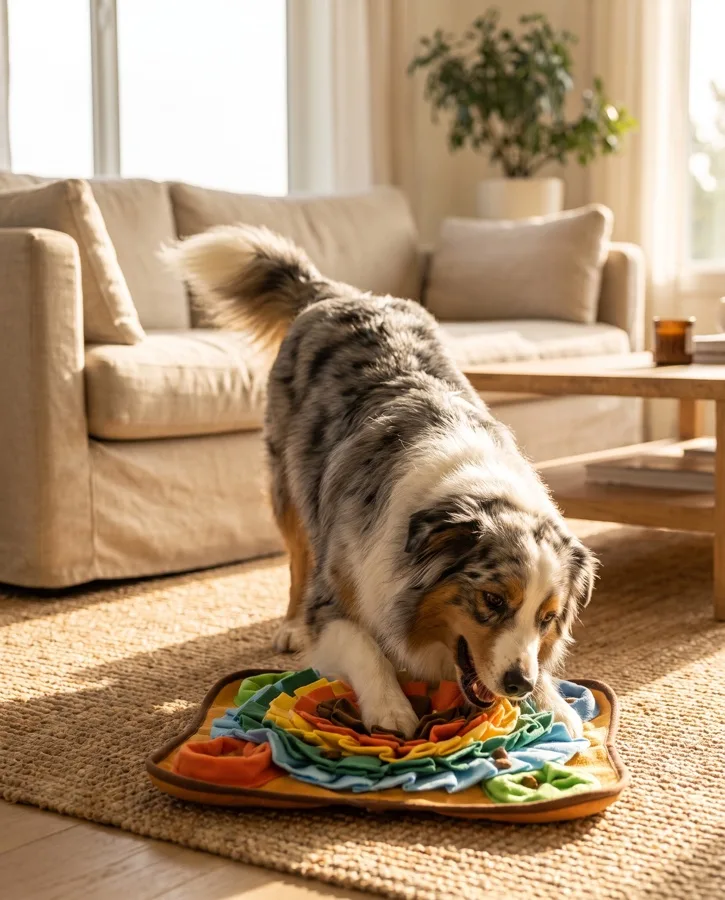
Educational content only. This article is for general educational purposes and isn't a substitute for professional veterinary, behavioral, or medical advice — always consult a licensed professional about your own pet's specific needs. Frolicy's articles are researched from publicly available sources and written with AI assistance; they are not written or reviewed by a licensed veterinarian or behaviorist. Frolicy and its owners aren't liable for outcomes from following this content. See our Terms of Use for full details.