Signs of aging in dogs and cats — and when to adjust care
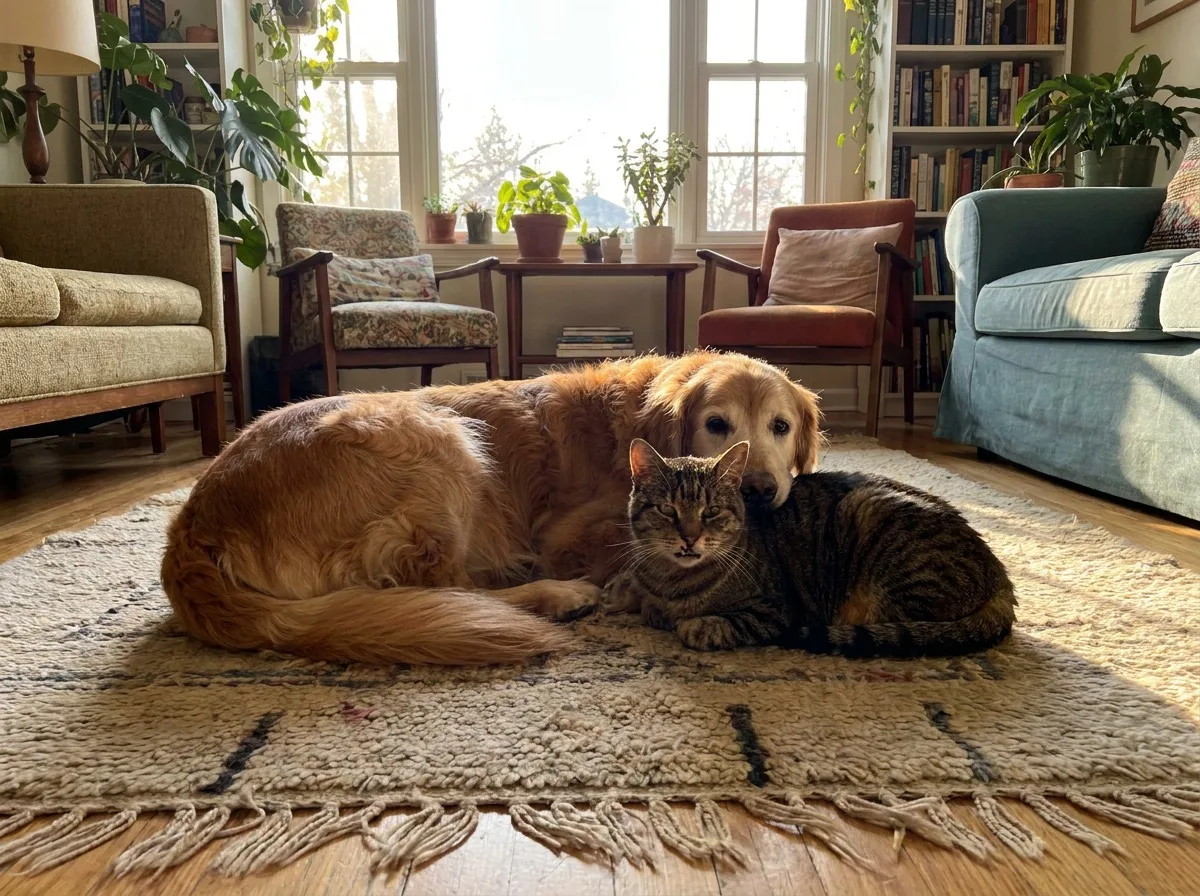
There's no single day a pet becomes "senior" — it's gradual, and that gradualness is exactly why it's easy to miss a real problem hiding behind normal aging.
The gradual signs (normal)
Slower to rise, more sleep, some gray around the muzzle, a bit less interest in vigorous play — these develop over months and years and are a typical part of aging in both dogs and cats, not something requiring immediate concern on their own.
The sudden signs (worth a vet visit)
New limping, confusion or disorientation, house-training or litter-box accidents in a previously reliable pet, noticeable weight change, or a change in thirst or urination are all worth a vet visit regardless of your pet's age — 'they're just getting old' is a common but risky way to write off something genuinely treatable.
Our senior dog and senior cat care guides cover home adjustments and vet-visit frequency in full.
Get "The senior dog care guide"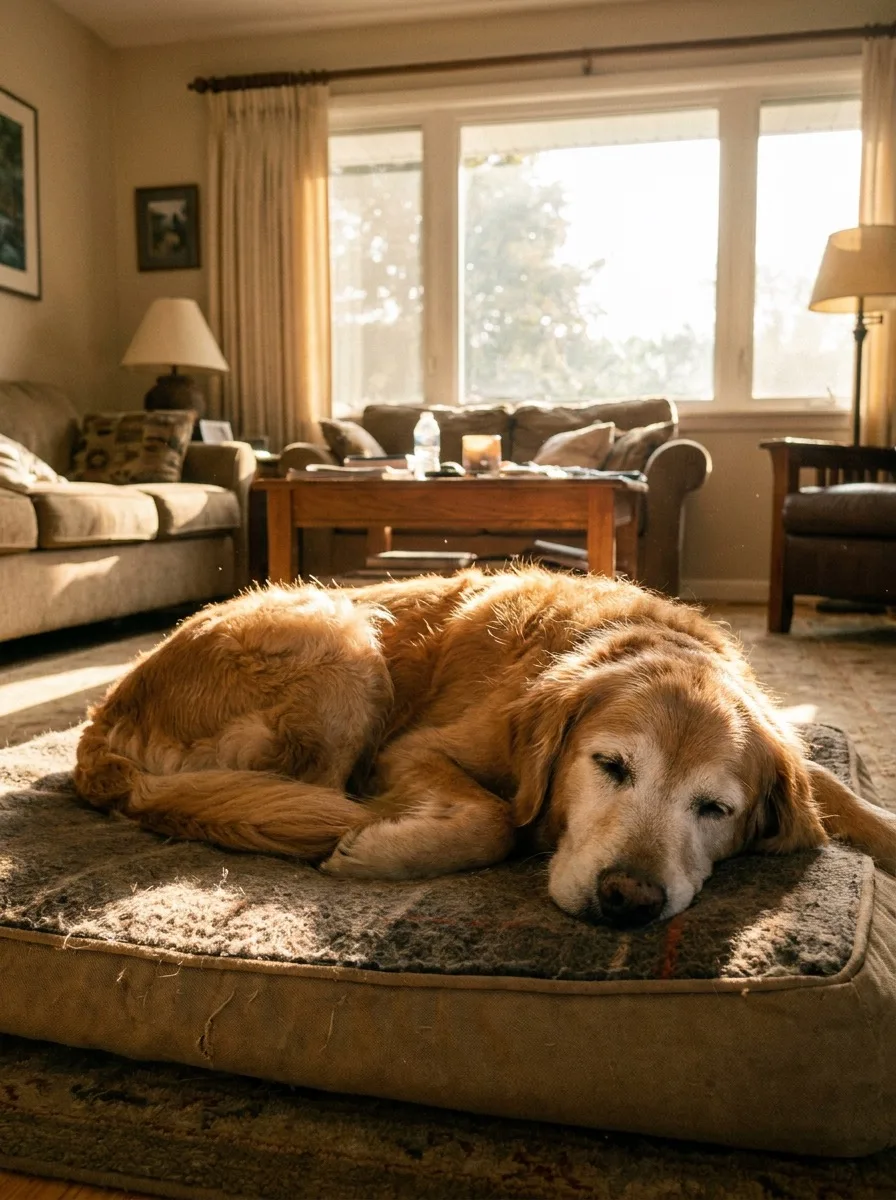
Educational content only. This article is for general educational purposes and isn't a substitute for professional veterinary, behavioral, or medical advice — always consult a licensed professional about your own pet's specific needs. Frolicy's articles are researched from publicly available sources and written with AI assistance; they are not written or reviewed by a licensed veterinarian or behaviorist. Frolicy and its owners aren't liable for outcomes from following this content. See our Terms of Use for full details.