What to expect at an emergency vet visit
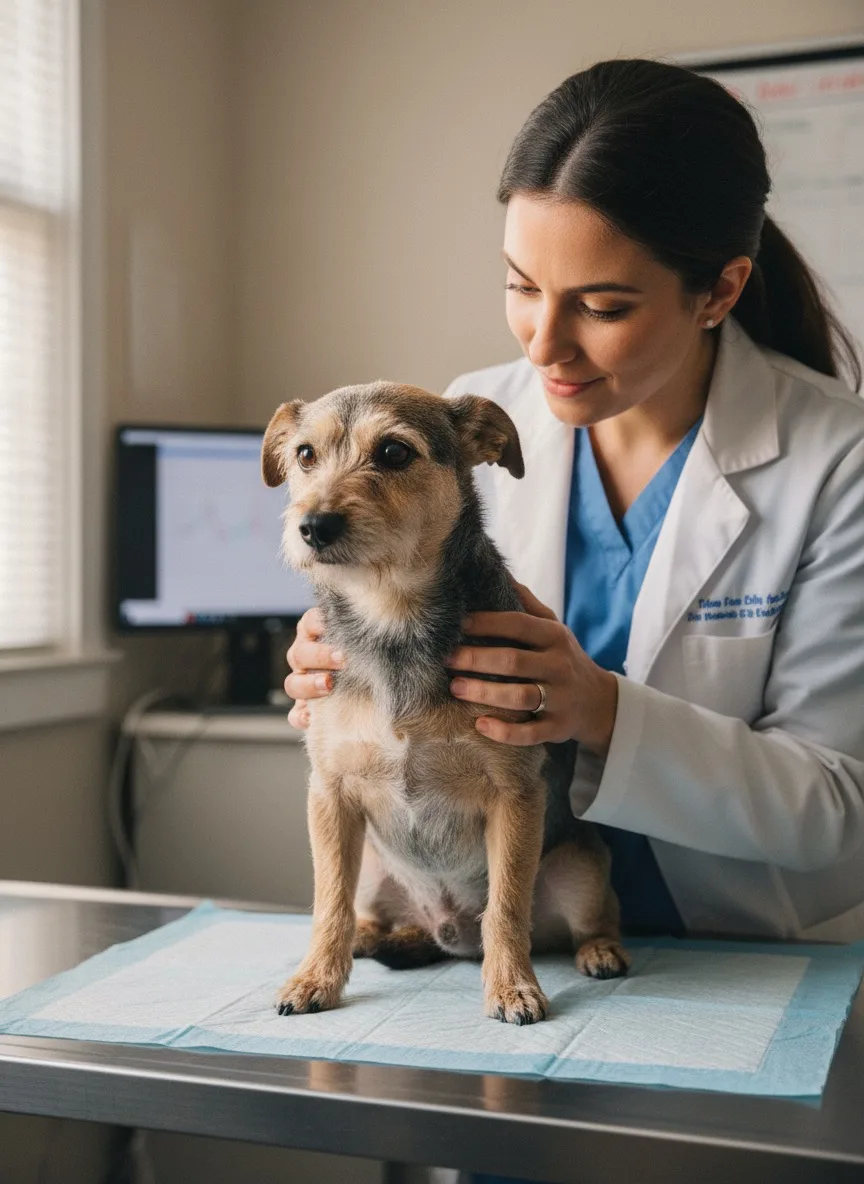
Knowing what actually happens when you walk through the door — the process, the cost, and why the wait time isn't about how long you've been there — makes an already stressful moment slightly less disorienting. This isn't a substitute for calling ahead when you can, but it covers the parts most owners are never told in advance.
Triage: why your pet might be taken back before you
Emergency clinics use triage — sorting patients by medical urgency, not arrival order. Many use a color-coded system: red for immediate stabilization, orange for urgent, yellow for stable-but-serious, green for non-life-threatening, and blue for cases that are better handled by your regular vet. Triage often happens briefly in the back with the medical team only — it's normal for your pet to be taken from you for a few minutes right at check-in, even before paperwork.
Why the wait time varies so much
A same-day appointment being pushed back by an hour usually means someone arrived with a more urgent case, not that the front desk lost track of you. This is the tradeoff of triage: it protects the most critical patients, at the cost of predictable wait times for everyone else.
What actually happens during the visit
After triage, a veterinarian examines your pet and discusses the urgent concern with you, then recommends diagnostics (bloodwork, X-rays, ultrasound) and treatment (medication, fluids, possibly surgery) based on what's found. Your pet may be hospitalized for observation or sent home with instructions, depending on the outcome.
Cost — a wide, genuinely honest range
Emergency exam fees alone commonly run higher than a daytime general-practice visit — often in the $100-250 range just for the initial exam, before any diagnostics or treatment. Total visit cost varies enormously by condition, from a few hundred dollars for a straightforward issue to several thousand for extensive diagnostics, surgery, or multi-day hospitalization. Payment is typically expected in full at the time of service; ask the front desk about financing options (like CareCredit) if cost is a genuine barrier to care — most emergency clinics have handled this conversation many times before and won't be surprised by the question.
What helps before you even arrive
Call ahead if you can — even a one-minute heads-up lets the clinic prepare and gives you a rough sense of what to bring. Bring your pet's medical records or know their regular vet's name and phone number; a new emergency clinic won't have their history otherwise. If poisoning is suspected, bring the packaging or plant with you rather than just describing it — see our poison control tool for what else is worth having ready.
Our basic pet first aid guide covers what to do in the minutes before you can reach a vet at all.
Get "Basic pet first aid"
Educational content only. This article is for general educational purposes and isn't a substitute for professional veterinary, behavioral, or medical advice — always consult a licensed professional about your own pet's specific needs. Frolicy's articles are researched from publicly available sources and written with AI assistance; they are not written or reviewed by a licensed veterinarian or behaviorist. Frolicy and its owners aren't liable for outcomes from following this content. See our Terms of Use for full details.