Topic hub
Emergency & Safety
What to do in the moments that matter most, and the hazards that cause the most emergency vet visits in the first place.
1 free guides
5 articles
What to do in the moments that matter most, and the hazards that cause the most emergency vet visits in the first place.
Frolicy's Emergency Center: prevention, what to do in the moment, and what happens after. Most pet emergencies happen at home, not at the vet's office — this hub covers the hazards that cause the most emergency vet visits, how to tell a real emergency from a wait-and-see, the actual steps for first aid and CPR, and what to expect once you're there. Start with our Emergency Preparedness Journey if you want the full sequence in order, not just a single piece of it.
Emergency and safety content is deliberately kept separate from anything commercial on this site — these are the moments where trust matters most, and the goal is purely accurate, actionable information, not a product recommendation dressed up as safety advice. Not sure if what you're facing is genuinely urgent? Our Is This a Pet Emergency? checklist gives a fast, honest read in under a minute. Want it all on paper before you need it? Print our one-page Pet Emergency Card — vitals, phone numbers, and the same red flags, ready for the fridge.
A beginner roadmap through this topic, in order
Different rooms carry different specific hazards — kitchen chemicals and food, bathroom medications, garage antifreeze and tools.
Some of the most dangerous foods are ordinary kitchen staples, not exotic ingredients — chocolate, grapes, onions, and xylitol are the ones to know cold.
The single most preventable serious emergency — temperatures climb dangerously fast even on mild days.
Prevention only goes so far — the Emergency Preparedness Journey covers the exact steps for the moment something actually happens, in order.
Ten minutes now can matter far more than ten minutes during. 9 steps, in order, with progress you can track as you go.
Free, downloadable, judgment-free
Real answers to real questions

The room-specific hazards that actually cause the most emergency vet visits, and how to prevent them.
Some everyday kitchen staples are genuinely dangerous — here's the real list, not just the well-known ones.

A parked car's interior climbs dangerously fast — even on a mild day, even with the window cracked.
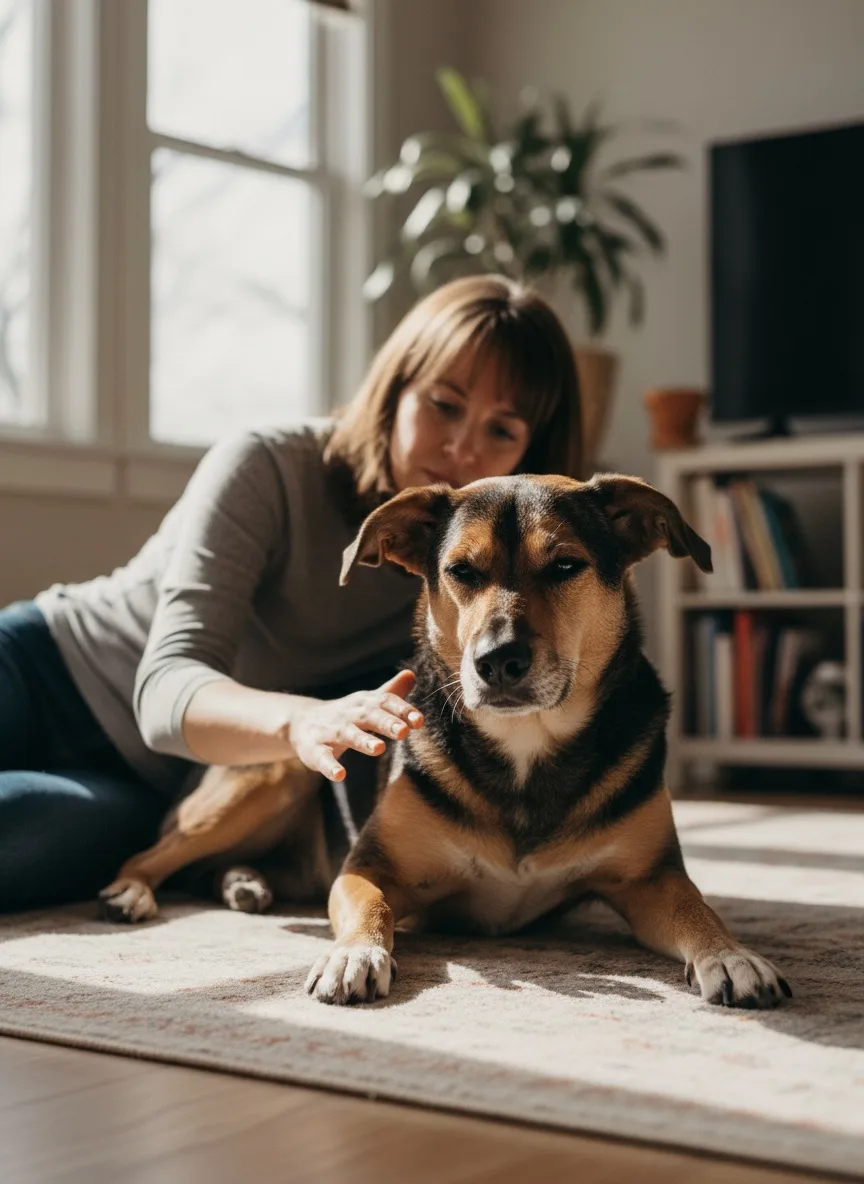
Step-by-step, for the specific moment a pet isn't breathing and has no pulse — hand placement, compression rate, and the 30:2 rhythm.
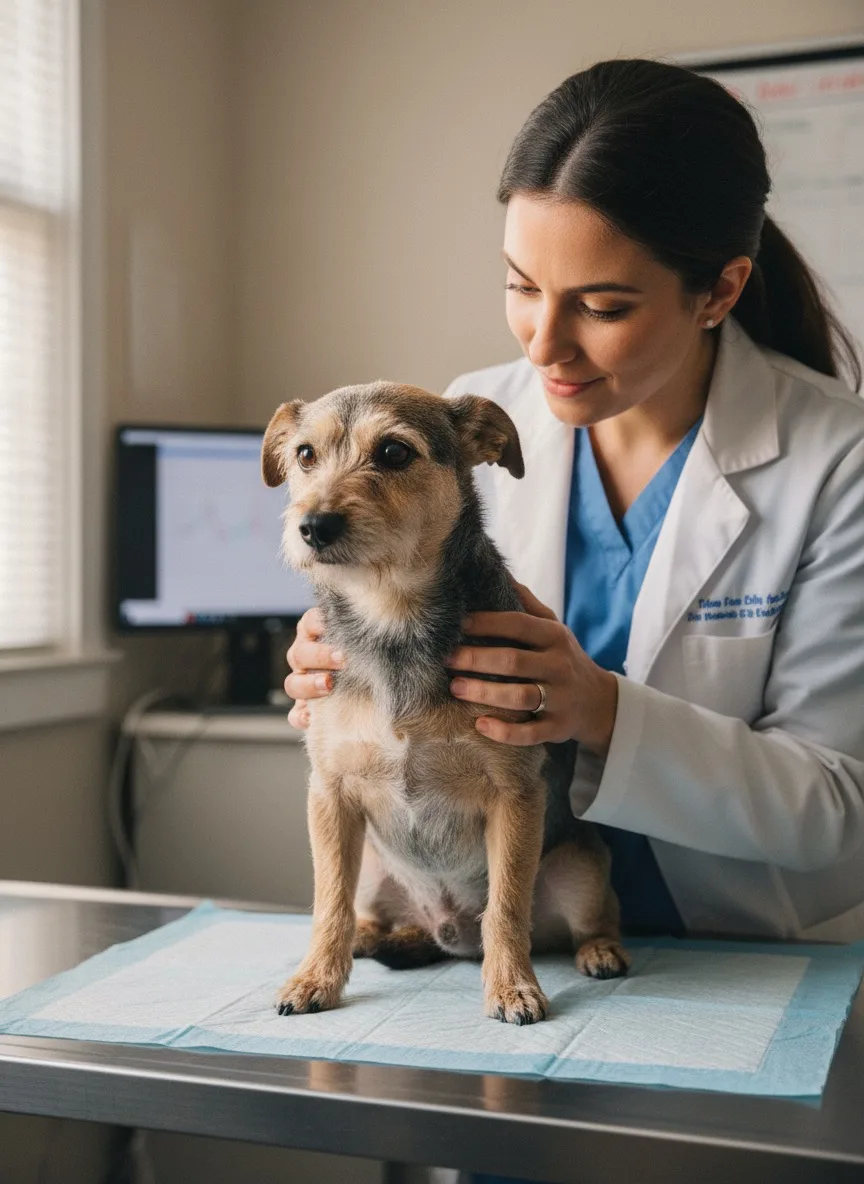
Triage, cost, and the actual process — so the visit itself isn't the first time you're learning how any of this works.
Type a food to check whether it's safe for your dog or cat.
Hot-car and heatstroke risk climbs sharply every summer — see the Seasonal Care hub for the full hot- and cold-weather checklist.
Where pet parents in this topic often go next
Chocolate, grapes and raisins, onions and garlic, and xylitol (in sugar-free gum and some peanut butters) are the most dangerous common foods — several are dangerous in surprisingly small amounts.
A parked car's interior can climb more than 20 degrees above the outside temperature within just 10 minutes — even a mild 70°F day is already dangerous territory.
Kitchens and bathrooms account for a large share of preventable incidents — food within reach, cleaning chemicals, and medications are the recurring causes.
A handful of signs reliably mean 'call now': difficulty breathing, unconsciousness, uncontrolled bleeding, a bloated abdomen, suspected poisoning, or major trauma. Our emergency checklist tool walks through the full list in under a minute.
Highly variable — often $100-250 just for the initial exam, with total cost ranging from a few hundred dollars to several thousand depending on what's needed. Payment is typically due at the time of service; ask about financing if cost is a barrier.
Educational content only. This page is for general educational purposes and isn't a substitute for professional veterinary, behavioral, or medical advice — always consult a licensed professional about your own pet's specific needs. Frolicy's content is researched from publicly available sources and written with AI assistance; it is not written or reviewed by a licensed veterinarian or behaviorist. Frolicy and its owners aren't liable for outcomes from following this content. See our Terms of Use for full details.