Why does my cat hide? Understanding feline stress behavior
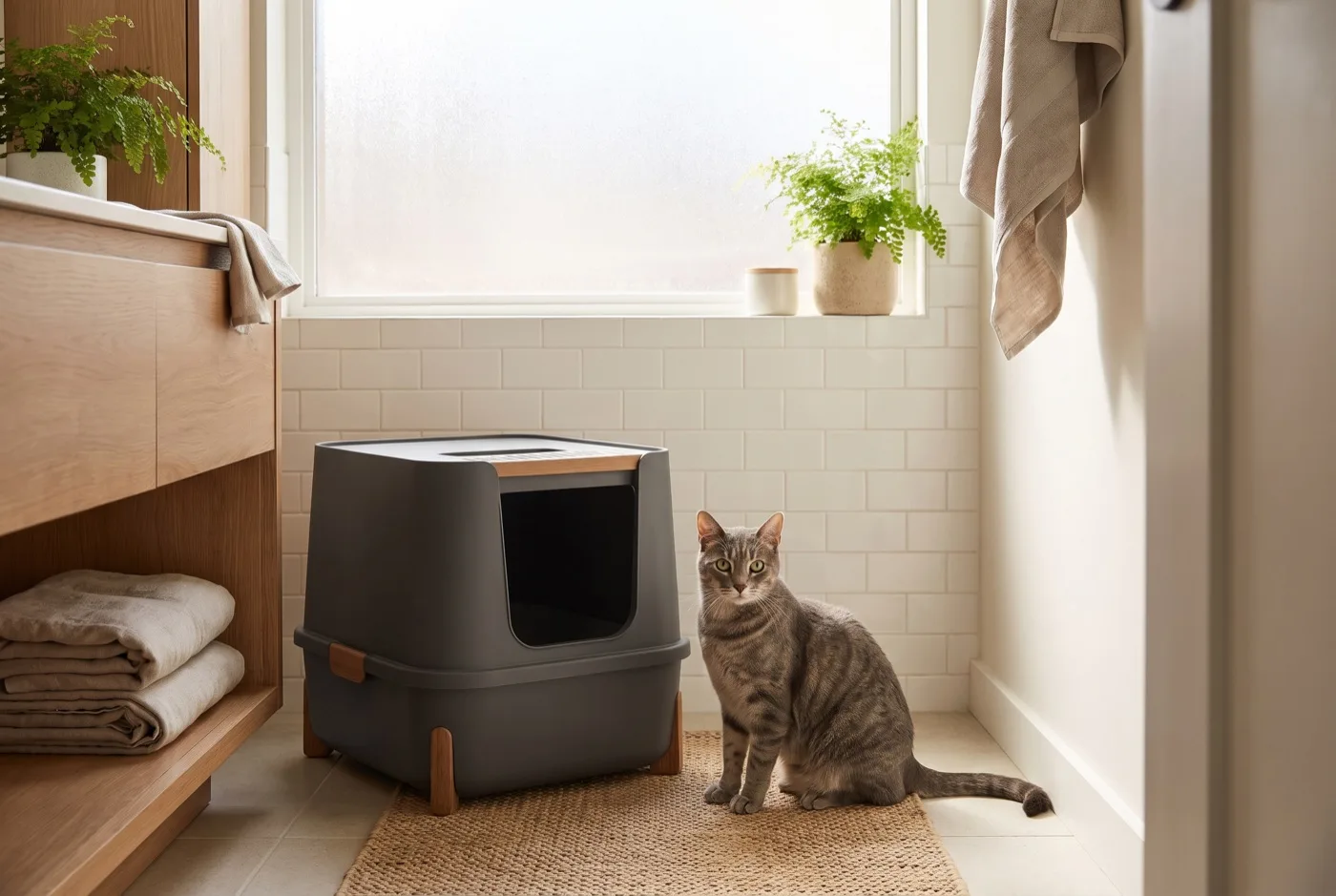
Cats are descended from solitary animals for whom hiding illness or vulnerability was a survival advantage — so unlike dogs, cats tend to internalize stress rather than display it openly. That evolutionary habit is exactly why hiding is so easy for owners to miss, or misread as "just wanting alone time."
Why hiding is a cat's default stress response
When something feels threatening — physically, emotionally, or environmentally — a cat's instinct is to retreat rather than confront it. Veterinary behavior guidance is clear that acquiescence, stillness, and hiding do not mean a cat is fine; they're often exactly the opposite, a cat managing a situation the only way its instincts know how.
Normal alone-time vs. stress-driven hiding
Cats do seek out quiet, enclosed spots for ordinary rest — that alone isn't a red flag. The distinction is context: hiding that's new, that coincides with a household change (new pet, new person, moved furniture, a recent vet visit), or that comes with skipped meals, avoiding the litter box, or reduced interest in play is a stress or illness signal, not a preference.
Multi-cat homes: hiding as a subtle tension signal
In homes with more than one cat, hiding is one of the most commonly *missed* signs of tension between cats — 2024 feline-behavior guidelines note that most intercat stress shows up as inhibited normal behavior (not eating as much, sleeping in unusual places, avoiding the litter box) rather than obvious hissing or fighting. Staring, blocking a doorway, and avoidance are the subtle signals worth watching for between cats, not just from a single cat toward you.
What actually helps
Give a hiding cat the choice to retreat rather than pulling them out — forcing interaction adds stress, not comfort. Make sure every cat in the home has their own safe resting spot (a common guideline is one safe place per cat, plus one extra), and that food, water, and litter boxes are spread across multiple locations rather than clustered together, which reduces the chance one cat feels blocked from a resource by another. If hiding is sudden, prolonged, or paired with any physical symptom, treat it as a reason for a vet visit — not just a behavior to wait out.
Our cat behavior basics guide covers the wider vocabulary of feline body language this fits into. If the hiding comes with less grooming or litter box trouble, our mobility and joint health guide covers a commonly missed cause: joint pain.
Get "Cat behavior basics"Cat behavior basics
What your cat is actually telling you — reading body language, understanding…

Managing fear and anxiety
Beyond separation anxiety — a structured approach to storms, strangers, and…

Mobility and joint health basics
Osteoarthritis affects most senior pets, but the early signs — especially in…
Educational content only. This article is for general educational purposes and isn't a substitute for professional veterinary, behavioral, or medical advice — always consult a licensed professional about your own pet's specific needs. Frolicy's articles are researched from publicly available sources and written with AI assistance; they are not written or reviewed by a licensed veterinarian or behaviorist. Frolicy and its owners aren't liable for outcomes from following this content. See our Terms of Use for full details.