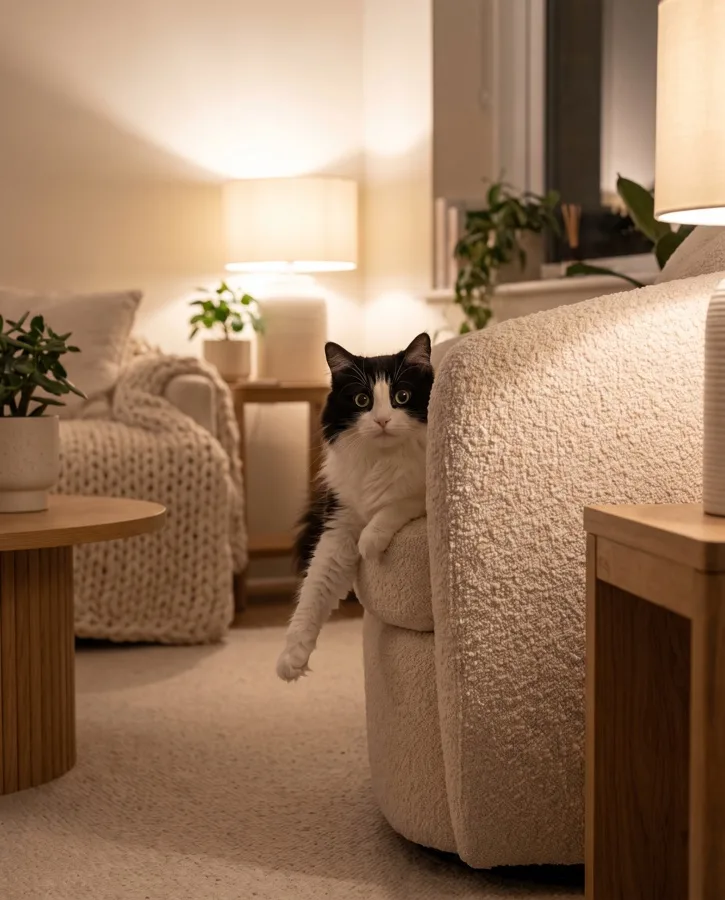
Topic hub
Cat Behavior
Reading a cat's world — kneading, litter box habits, introductions, and what's actually normal.
1 free guides
5 articles
Reading a cat's world — kneading, litter box habits, introductions, and what's actually normal.
Cats communicate constantly, just not always in ways owners are taught to read. This hub covers the most common cat behavior questions — kneading, litter box habits, and introducing a new cat to the household.
Cat behavior gets misread more often than dog behavior, partly because feline body language is subtler and partly because common cat behaviors (kneading, litter box avoidance) get attributed to spite or randomness when they almost always have a real, specific explanation — developmental, medical, or environmental.
A beginner roadmap through this topic, in order
Kneading, for instance, traces back to kittenhood and is almost always a good sign, not a problem to fix.
It's rarely about spite — a medical cause or a simple preference issue are both far more common explanations.
A rushed introduction to a resident pet is the most common reason it goes badly — slowing down fixes most failed introductions.
A sudden change in grooming — more or less — often points to stress or pain rather than a behavior quirk.
Free, downloadable, judgment-free
Real answers to real questions
That rhythmic paws-on-a-blanket motion traces back to kittenhood, and it's almost always a good sign.

A rushed introduction is the most common reason it goes badly — here's how to slow it down the right way.
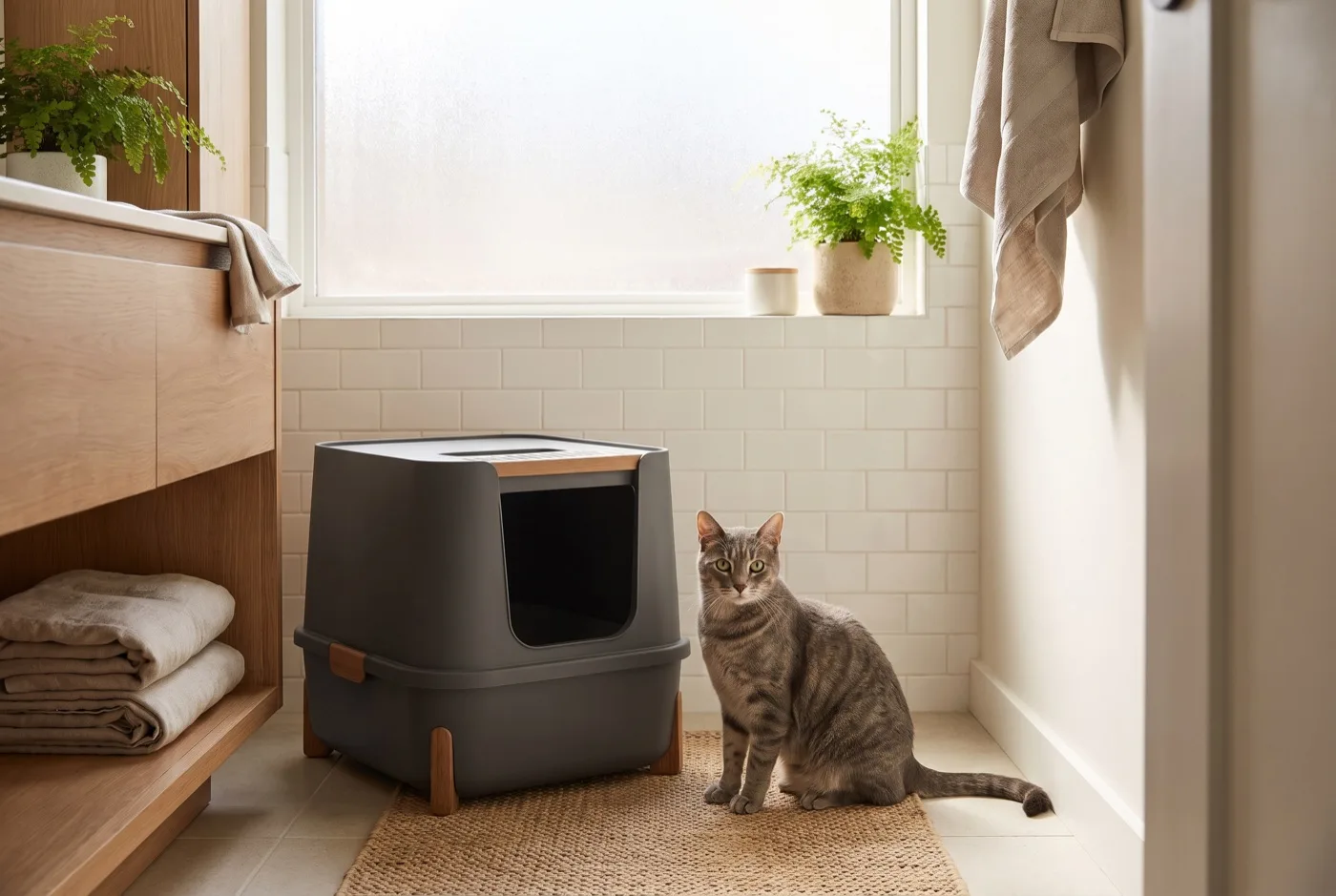
It's rarely about spite — here's how to tell a medical cause from a simple preference issue.
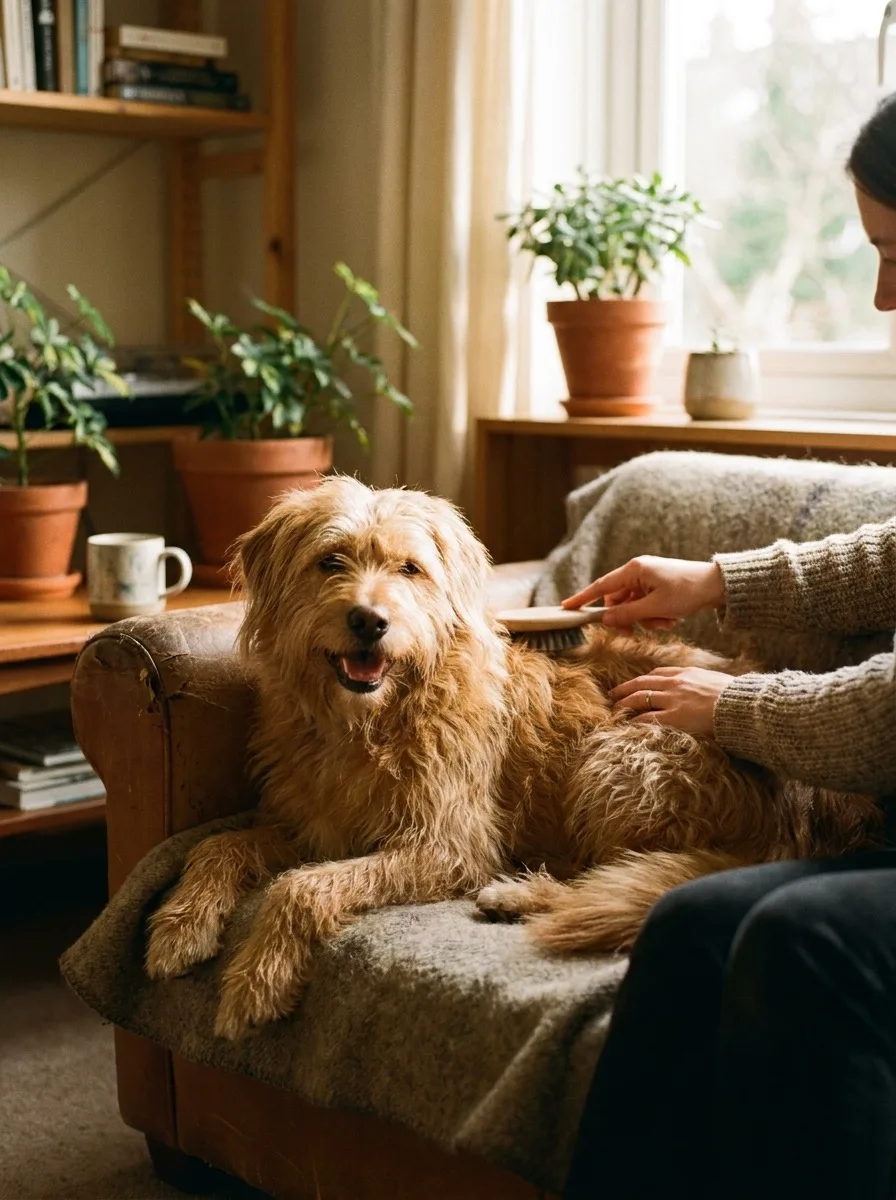
Both directions are worth paying attention to — one often points to stress, the other to pain.
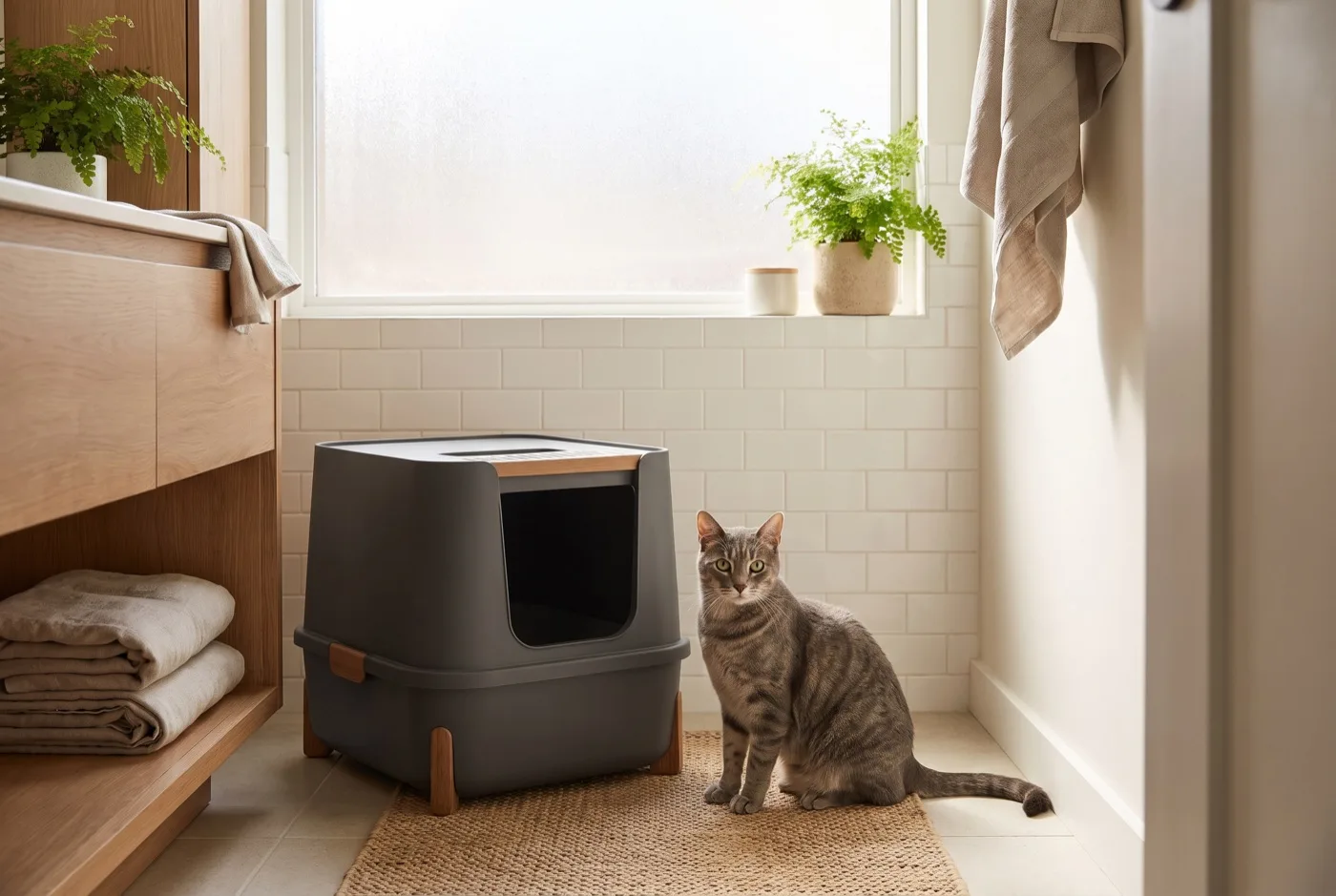
Hiding is one of the easiest stress signals to miss — here's why cats do it, and when it's a sign of something more.
What their ears, tail, and whiskers are actually saying.
Only shown where a real product fit exists — nothing forced.
Where pet parents in this topic often go next
It traces back to kittenhood nursing behavior and is almost always a good sign — a sign of comfort and contentment, not a problem.
It's rarely about spite — a medical issue (urinary problems especially) or a simple preference issue (box cleanliness, litter type, location) are both far more likely explanations.
Slowly — a rushed introduction is the single most common reason it goes badly; a gradual, scent-first, supervised approach works far better.
Educational content only. This page is for general educational purposes and isn't a substitute for professional veterinary, behavioral, or medical advice — always consult a licensed professional about your own pet's specific needs. Frolicy's content is researched from publicly available sources and written with AI assistance; it is not written or reviewed by a licensed veterinarian or behaviorist. Frolicy and its owners aren't liable for outcomes from following this content. See our Terms of Use for full details.