
Topic hub
Dental Health
The disease vets diagnose most in dogs and cats — and the prevention that actually works.
1 free guides
3 articles
The disease vets diagnose most in dogs and cats — and the prevention that actually works.
Dental disease is the single most common health problem vets diagnose in dogs and cats, and one of the most preventable — but the prevention that actually works isn't always what's being sold on the shelf. This hub covers what genuinely helps, what to watch for, and the conditions that are commonly missed, especially in cats. Start with our Dental Health Learning Path if you want the full sequence in order, not just a single piece of it.
Periodontal disease affects more than 80% of dogs over age three and roughly half of cats over four, per the AAHA's dental care guidelines — and it isn't cosmetic. Untreated, it's painful, and the infection involved can affect more than just the mouth. Daily brushing is the one home habit with real evidence behind it; everything else on a shelf should be checked against the VOHC seal before being trusted. Cats specifically face two additional conditions dogs don't share in the same way — our tooth resorption and stomatitis article covers both, including why a cat's mouth can look completely normal while one of them is already advanced.
A beginner roadmap through this topic, in order
Persistent bad breath, yellow or brown buildup along the gumline, and red or swollen gums are all worth a vet visit rather than waiting for a scheduled checkup.
The Veterinary Oral Health Council seal is the one credential that means a dental product was actually tested to work, not just marketed that way.
The Dental Health Learning Path covers daily prevention, the commonly-missed cat conditions, and what actually happens if a tooth needs to come out, in order.
Most dental disease is preventable. Follow along to know what to watch for either way. 4 steps, in order, with progress you can track as you go.
Free, downloadable, judgment-free
Real answers to real questions

Two conditions that go well beyond ordinary periodontal disease — one that's often silent until advanced, and one that's genuinely unique to cats.

The step-by-step desensitization method vets recommend — for the pet who's never had their teeth touched before.
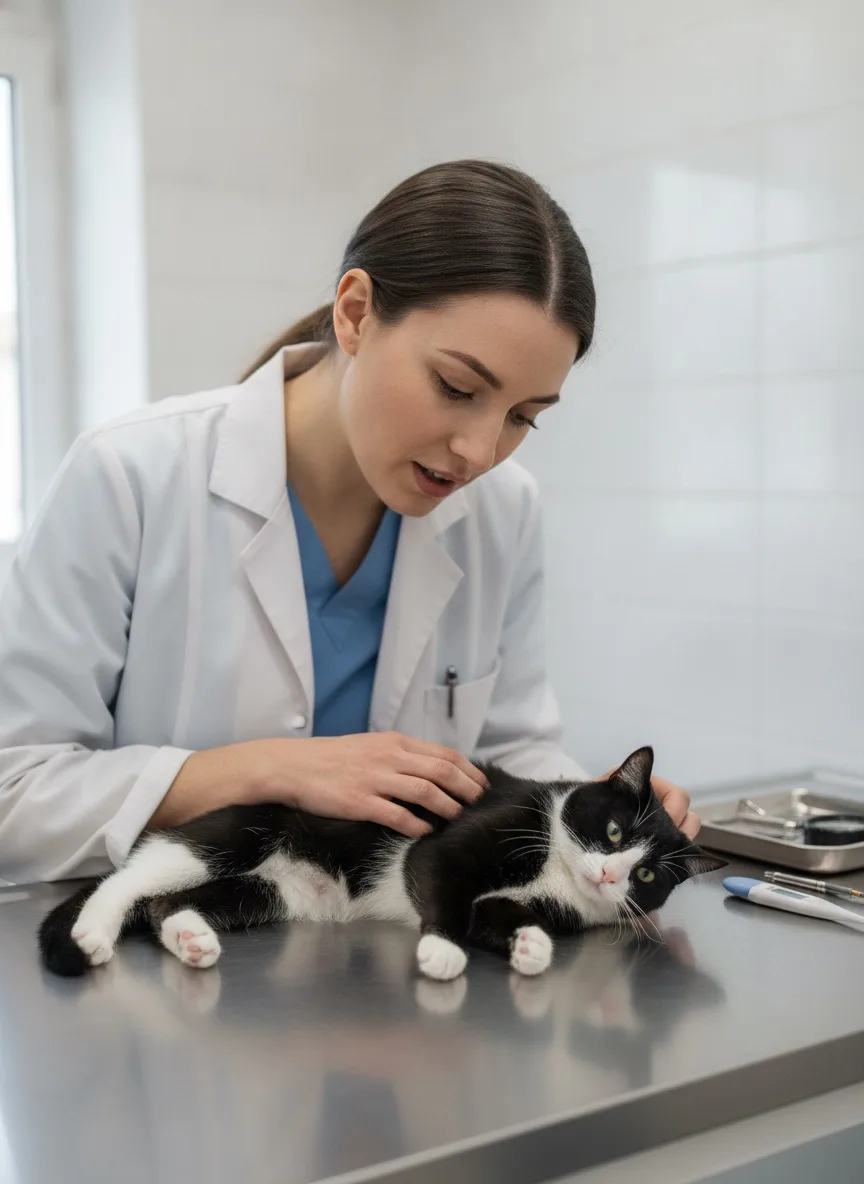
What the first few days actually look like, the signs that mean a call to the vet, and the ongoing monitoring that continues well past the point the mouth looks healed.
A general timeline for what's typically due next, by age and species.
Only shown where a real product fit exists — nothing forced.
Where pet parents in this topic often go next
No — the American Veterinary Dental College has held a position against them since 2004, since they can only clean above the gumline, where periodontal disease doesn't actually start. A 2026 JAVMA study found no demonstrable medical benefit for controlling periodontal disease in dogs.
Check for the VOHC (Veterinary Oral Health Council) seal at vohc.org — it's the only credential that means a product was independently tested to reduce plaque or tartar, rather than simply marketed as a dental product.
Tooth resorption specifically can be present with no visible signs at all until it's already advanced — see our tooth resorption and stomatitis article for what that means for how often cats actually need a dental exam.
No — it treats the teeth that were already too far gone, but the remaining teeth still need daily brushing, VOHC-verified products, and annual professional exams going forward. Cats treated for stomatitis specifically warrant closer monitoring, since it can recur even after extractions.
Educational content only. This page is for general educational purposes and isn't a substitute for professional veterinary, behavioral, or medical advice — always consult a licensed professional about your own pet's specific needs. Frolicy's content is researched from publicly available sources and written with AI assistance; it is not written or reviewed by a licensed veterinarian or behaviorist. Frolicy and its owners aren't liable for outcomes from following this content. See our Terms of Use for full details.