Topic hub
Travel
Car, plane, and hotel basics — the preparation that prevents most travel-day stress.
1 free guides
0 articles
Car, plane, and hotel basics — the preparation that prevents most travel-day stress.
Traveling with a pet takes more planning than traveling without one, but most travel stress comes from a handful of predictable, avoidable gaps. This hub covers car travel, air travel, and hotel stays.
A secured, well-prepared pet is not just calmer — it's genuinely safer. Most travel problems (a panicked first carrier experience, a hotel policy surprise, a missed health certificate deadline) are entirely preventable with a few weeks of lead time, which is exactly the gap this hub is built to close.
A beginner roadmap through this topic, in order
Current microchip info, vaccination records, and (for flights) a health certificate timeline, often required within 10 days of travel.
Short, positive practice sessions well before the actual travel day, not the day before.
"Pet-friendly" can mean very different things — confirm size limits, fees, and rules directly with the airline or property, not from a general booking-site tag.
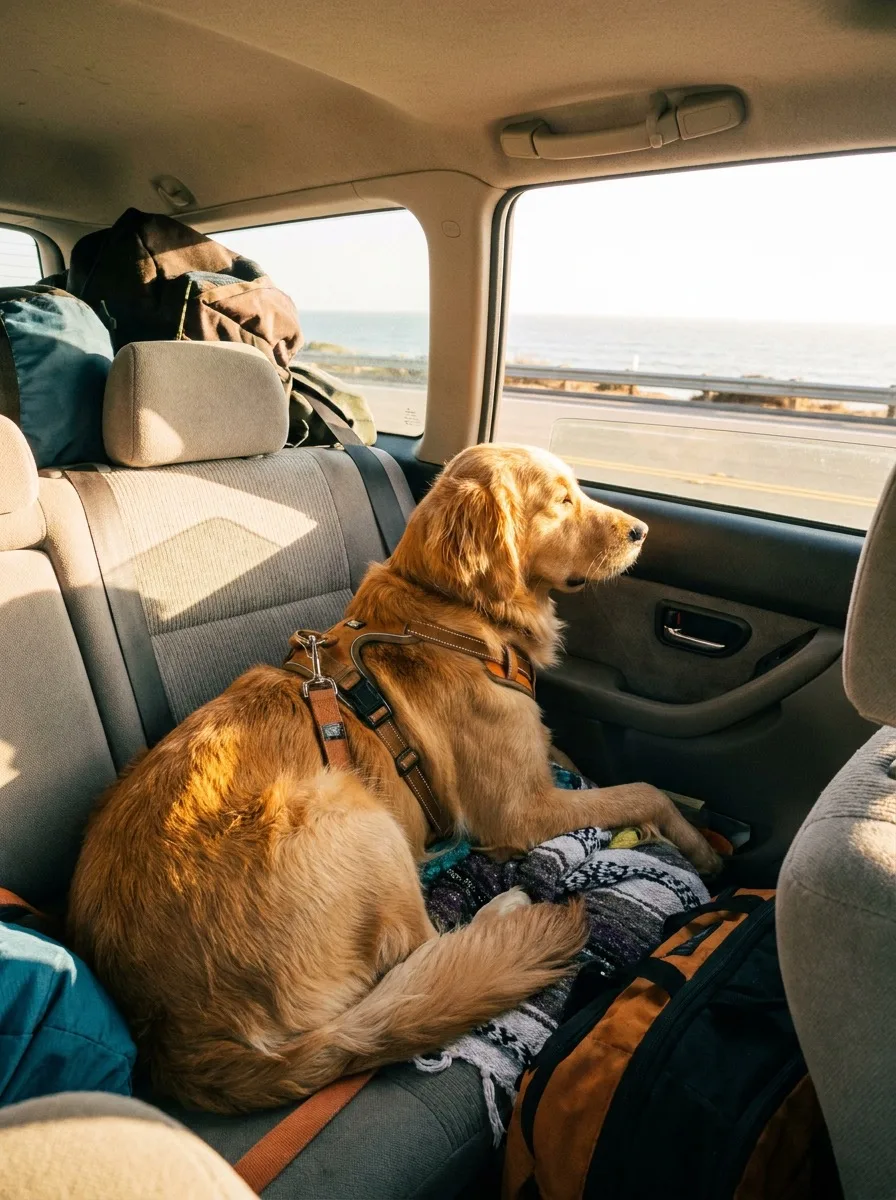
A crate or crash-tested harness is safer for everyone in the event of a sudden stop, not just more comfortable.
This single rule prevents the most serious, and most common, travel-related emergency.
Free, downloadable, judgment-free
Real answers to real questions
More articles coming soon.
Only shown where a real product fit exists — nothing forced.
Summer road trips and winter holiday travel are the two heaviest pet-travel windows — start carrier acclimation weeks before either, not the day before.
Where pet parents in this topic often go next
Several weeks, with short, calm, treat-paired sessions — the actual travel day shouldn't be the pet's first real experience in the carrier.
No — a parked car's interior can climb more than 20 degrees above the outside temperature within just 10 minutes, even on a mild day.
This varies by airline, but a health certificate within roughly 10 days of travel is common — always confirm directly with the airline rather than assuming.
Educational content only. This page is for general educational purposes and isn't a substitute for professional veterinary, behavioral, or medical advice — always consult a licensed professional about your own pet's specific needs. Frolicy's content is researched from publicly available sources and written with AI assistance; it is not written or reviewed by a licensed veterinarian or behaviorist. Frolicy and its owners aren't liable for outcomes from following this content. See our Terms of Use for full details.