Topic hub
Grooming
Brushing, bathing, and nail trims — building comfort with grooming instead of fighting through it.
1 free guides
1 articles
Brushing, bathing, and nail trims — building comfort with grooming instead of fighting through it.
Most grooming resistance isn't about the brush or the clippers — it's about a bad past experience, or never being taught that grooming is calm and safe. This hub covers building comfort with grooming and the practical basics for dogs and cats.
Grooming isn't just cosmetic — matted fur, overgrown nails, and skipped brushing can all cause real discomfort or skin problems over time. It's also one of the clearest windows into a pet's physical state: a cat that suddenly stops self-grooming, for instance, is very often signaling pain or illness, not just laziness.
A beginner roadmap through this topic, in order
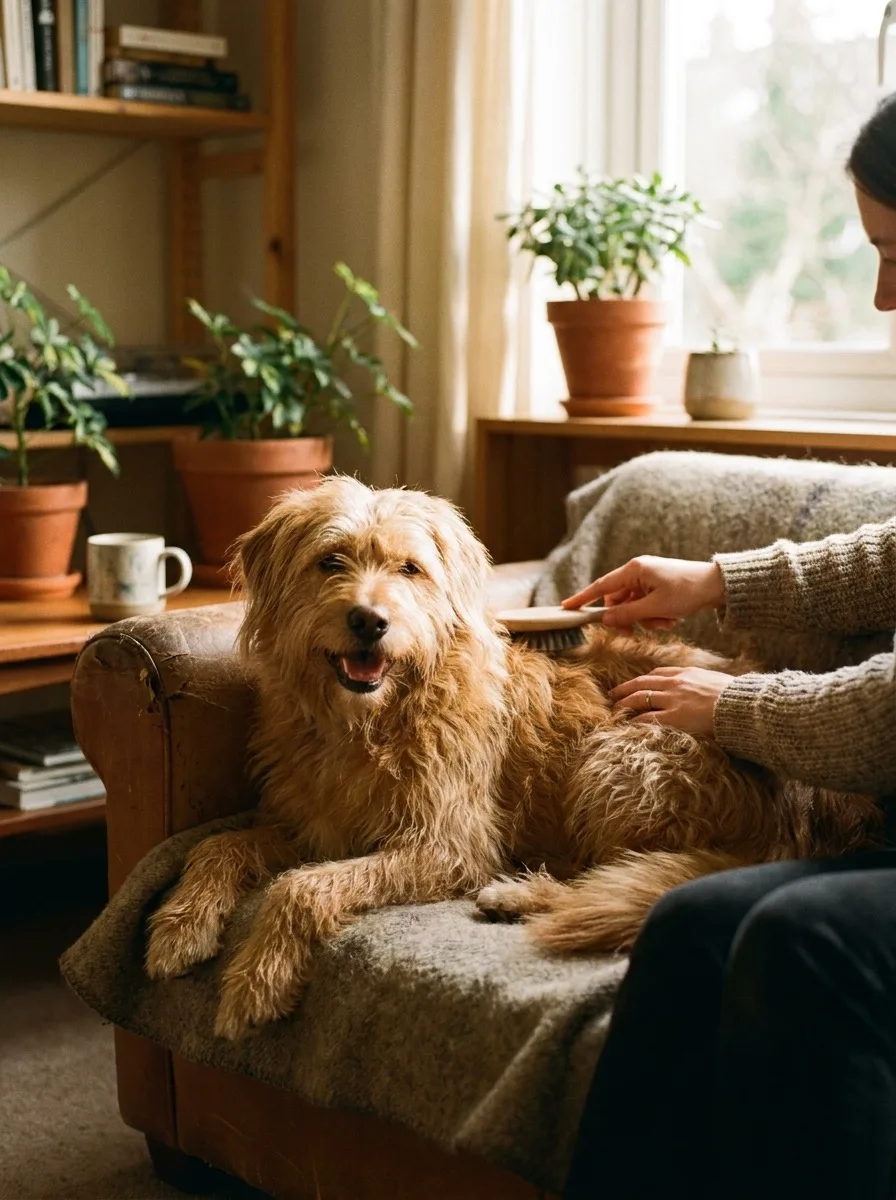
Short, low-stakes practice — paw holds, ear touches, brush contact — paired with treats, before you actually need to groom anything.
Short-haired pets may need weekly brushing; long-haired or double-coated breeds benefit from several sessions a week, especially during shedding season.
Most dogs need bathing every 4-8 weeks at most — over-bathing strips natural oils and causes the exact irritation it's meant to prevent.
Trim a little at a time, keep styptic powder on hand, and build tool tolerance between actual trims.
A sudden increase or decrease in self-grooming (especially in cats) is often the earliest visible sign something else is going on.
Free, downloadable, judgment-free
Real answers to real questions
Spring and fall shedding seasons mean most pets need more frequent brushing than the rest of the year — plan for it rather than reacting to it.
Where pet parents in this topic often go next
Every 4-8 weeks for most dogs — more often only if they're visibly dirty, smelly, or have a diagnosed skin condition needing a medicated shampoo.
Reduced grooming in cats is frequently a pain signal — often dental or joint-related — since grooming becomes physically uncomfortable, not because the cat has "gone lazy."
Build tolerance separately from actual trims — regularly touching the clipper to the nail without cutting keeps the tool itself from becoming a stress trigger.
Educational content only. This page is for general educational purposes and isn't a substitute for professional veterinary, behavioral, or medical advice — always consult a licensed professional about your own pet's specific needs. Frolicy's content is researched from publicly available sources and written with AI assistance; it is not written or reviewed by a licensed veterinarian or behaviorist. Frolicy and its owners aren't liable for outcomes from following this content. See our Terms of Use for full details.