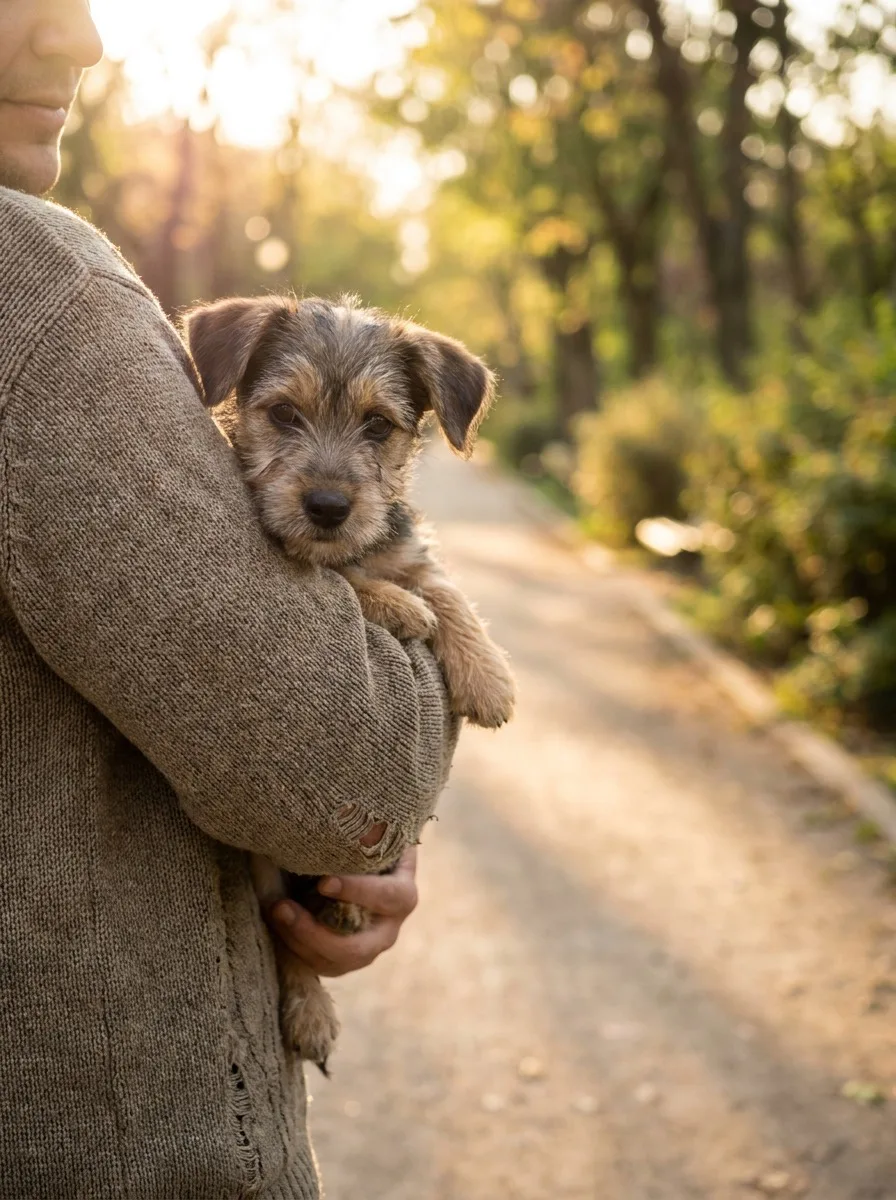
Topic hub
Socialization
The short window that shapes the next decade — socializing puppies (and adult pets) with confidence, not fear.
1 free guides
0 articles
The short window that shapes the next decade — socializing puppies (and adult pets) with confidence, not fear.
There's a short window — roughly 3 to 16 weeks in puppies — where exposure to the world shapes lifelong confidence or fear. This hub covers how to socialize well, at any age, without waiting on a full vaccine schedule or overwhelming the animal.
Related: Start Calm: Raising a Confident Puppy in the First 16 Weeks (e-book) →Under-socialization is one of the most common, and most preventable, causes of adult fear and reactivity. The mistake most owners make isn't malicious — it's simply waiting too long, out of caution, past the window where exposure does the most good. Getting this right in the first few months meaningfully shapes the next decade-plus of a dog's temperament.
A beginner roadmap through this topic, in order
Carried, low-risk exposure (a friend's home with vaccinated pets, not a dog park) carries far less risk than full isolation through the socialization window.
A puppy flooded with too much novelty in one outing can come away more fearful, not less — quality over quantity.
People, surfaces, sounds, and gentle handling — not just other dogs — make for a genuinely well-rounded animal.
Lip licking, yawning, and a tucked tail mean it's time to back off, not push through.
Adult socialization just takes more patience and a slower pace than it would have taken at 8 weeks.
Free, downloadable, judgment-free
Real answers to real questions
More articles coming soon.
Where pet parents in this topic often go next
Controlled, low-risk exposure (carried, or in a vaccinated friend's home) is generally considered a reasonable middle path — the behavioral risk of full isolation is real, and the disease risk from a few careful outings is low.
It's not too late — an adult dog can still be socialized, just more slowly and patiently than a puppy would need.
If your puppy is showing stress signals or seems overwhelmed rather than curious, that outing has already done its job — end it there.
Educational content only. This page is for general educational purposes and isn't a substitute for professional veterinary, behavioral, or medical advice — always consult a licensed professional about your own pet's specific needs. Frolicy's content is researched from publicly available sources and written with AI assistance; it is not written or reviewed by a licensed veterinarian or behaviorist. Frolicy and its owners aren't liable for outcomes from following this content. See our Terms of Use for full details.