Topic hub
Training
Core commands, crate training, and the training gaps that cause most everyday frustrations.
2 free guides
0 articles
Core commands, crate training, and the training gaps that cause most everyday frustrations.
Good training is less about strict commands and more about timing, consistency, and understanding why a behavior is happening in the first place. This hub covers the core training topics Frolicy has built out — the commands worth teaching first, crate training done right, and the training gaps behind the most common complaints.
Related: Start Calm: Raising a Confident Puppy in the First 16 Weeks (e-book) →Most "problem behaviors" owners describe — pulling on leash, whining in a crate, ignoring basic commands — trace back to a training gap or a misunderstanding of what the animal is actually experiencing, not stubbornness or dominance. The training topics in this hub are chosen because they're the ones that come up constantly and respond well to a clear, structured approach.
A beginner roadmap through this topic, in order
A small number of well-taught basics (sit, stay, come, leave it) matter more than a large vocabulary of half-taught ones.
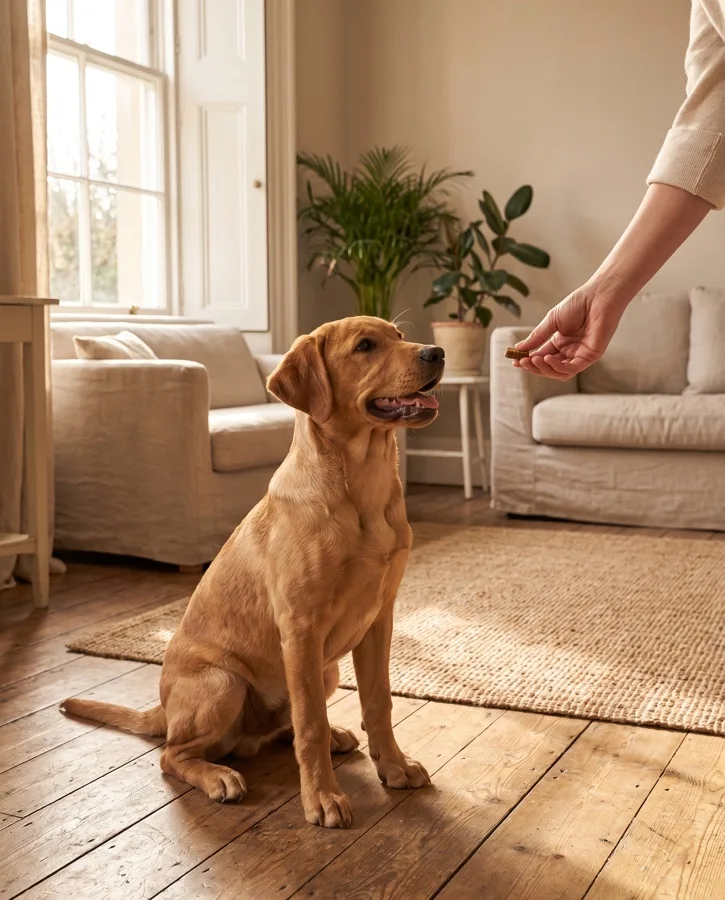
Reward timing within about a second of the desired behavior matters more than treat quality or command repetition.
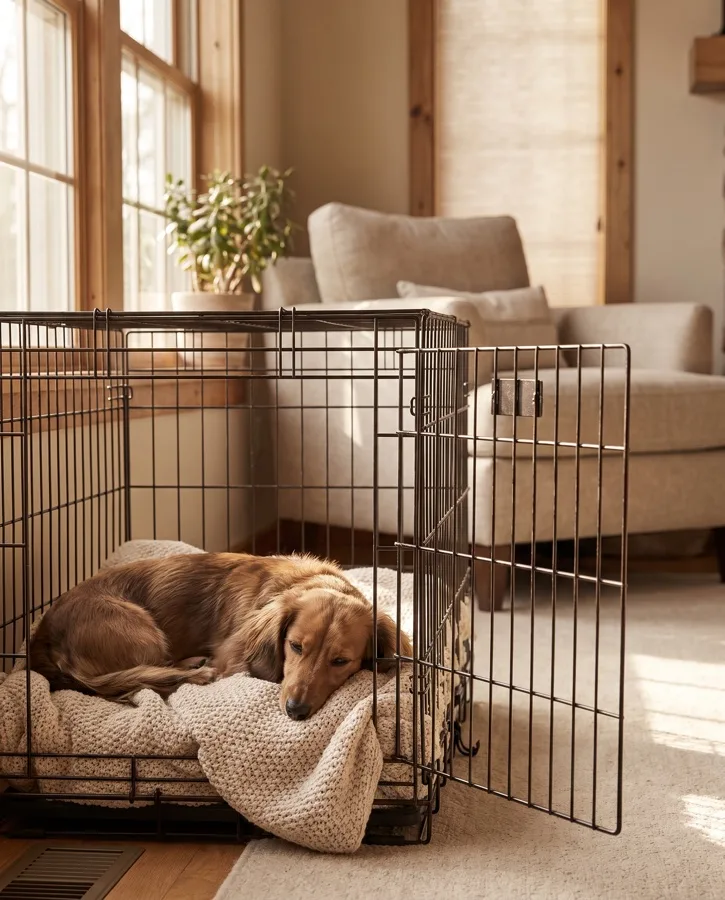
A crate a dog chooses to enter voluntarily is a completely different tool than one used as a timeout space.
The stop-and-wait method addresses the actual cause (pulling gets rewarded with forward progress) rather than fighting the symptom.
Five focused minutes beats thirty distracted ones, consistently, across almost every training topic.
Free, downloadable, judgment-free
Real answers to real questions
More articles coming soon.
Pick your pet type below and get a checklist that saves as you go.
Only shown where a real product fit exists — nothing forced.
Where pet parents in this topic often go next
Most trainers recommend starting with a reliable "sit" or attention/name-response cue — both are foundational to everything taught after.
Not strictly required, but a well-introduced crate gives a dog a genuine safe space and makes vet visits, travel, and emergencies significantly less stressful.
Command reliability is highly context-dependent for dogs — a command trained only in a quiet living room hasn't actually been trained for a distracting environment yet.
Educational content only. This page is for general educational purposes and isn't a substitute for professional veterinary, behavioral, or medical advice — always consult a licensed professional about your own pet's specific needs. Frolicy's content is researched from publicly available sources and written with AI assistance; it is not written or reviewed by a licensed veterinarian or behaviorist. Frolicy and its owners aren't liable for outcomes from following this content. See our Terms of Use for full details.